Hoppers, chutes, guards and enclosures are often treated as simple fabrications, yet small specification choices decide whether powder flows cleanly or builds up, corrodes and contaminates product. Here is what engineers should put on the drawing before sheet metal parts for bulk handling go out to quote.
In powder and bulk solids handling, the conveyors, mixers and mills get most of the engineering attention. The sheet metal that surrounds them, from feed hoppers and discharge chutes to machine guards and dust enclosures, is often specified as an afterthought. That is a mistake. Poorly specified fabrications are a common cause of bridging, rat holing, product build up and contamination, and they are expensive to fix once installed.
The good news is that most problems can be designed out on the drawing. The points below cover what to specify before a part goes out for fabrication.
Choose the material grade for the product, not the price
Mild steel with a painted or powder coated finish suits many dry, non abrasive bulk materials and keeps cost down. For food, pharmaceutical and chemical powders, stainless steel is the norm. Grade 304 covers most dry duties. Grade 316, with its molybdenum content, resists chlorides and many cleaning chemicals far better and is the safer choice where washdown, salt or acidic products are involved.
Abrasive materials such as sand, cement and mineral powders bring a different problem: wear. Thicker gauge sections, replaceable wear liners or abrasion resistant steel plates in the impact zone of a chute will last far longer than standard sheet.
Specify the surface finish that contact faces need
Surface roughness has a direct effect on flow. A rough or scratched internal face increases wall friction, which encourages powder to hang up on hopper walls. For product contact surfaces, state the finish you need, either as a polish grade or as a maximum Ra value, rather than leaving it to the fabricator. Specify the direction of any polishing too: grain running in the direction of flow helps material slide.
Get hopper angles right
Hopper wall angle is the single biggest factor in achieving mass flow, where all material moves rather than funnelling through a central channel. The required angle depends on the wall friction of the specific powder against the specific surface finish, so it should come from flow testing or the equipment designer, not from a standard template. Once the angle is set, the fabrication tolerance on that angle matters. Ask for it on the drawing.
Design out ledges, gaps and dead zones
Anywhere powder can settle, it will. Common culprits include:
- Internal stiffeners and flanges that create horizontal ledges
- Lap joints and stitch welds that leave crevices
- Bolted joints with gaps between mating faces
- Sharp internal corners where two sloped walls meet
Specify continuous welds on product contact seams, ground flush where hygiene matters, and put stiffening on the outside of the hopper wherever possible. Radiused corners cost little more to form and reduce build up considerably.
Plan for access, cleaning and dust control
Inspection hatches, sampling points and cleaning access are far easier to build in than to cut in later. For dusty processes, enclosures and guards should be specified with suitable gaskets and with consideration of the site’s dust explosion risk assessment, including earthing and bonding of metal parts.
Ask for the right documentation
For regulated industries, request material certificates for stainless parts, weld procedure records where relevant and confirmation of any passivation after fabrication. Passivation restores the protective oxide layer on stainless steel after cutting, welding and grinding, which helps prevent rust staining that could contaminate product.
Bring the fabricator in early
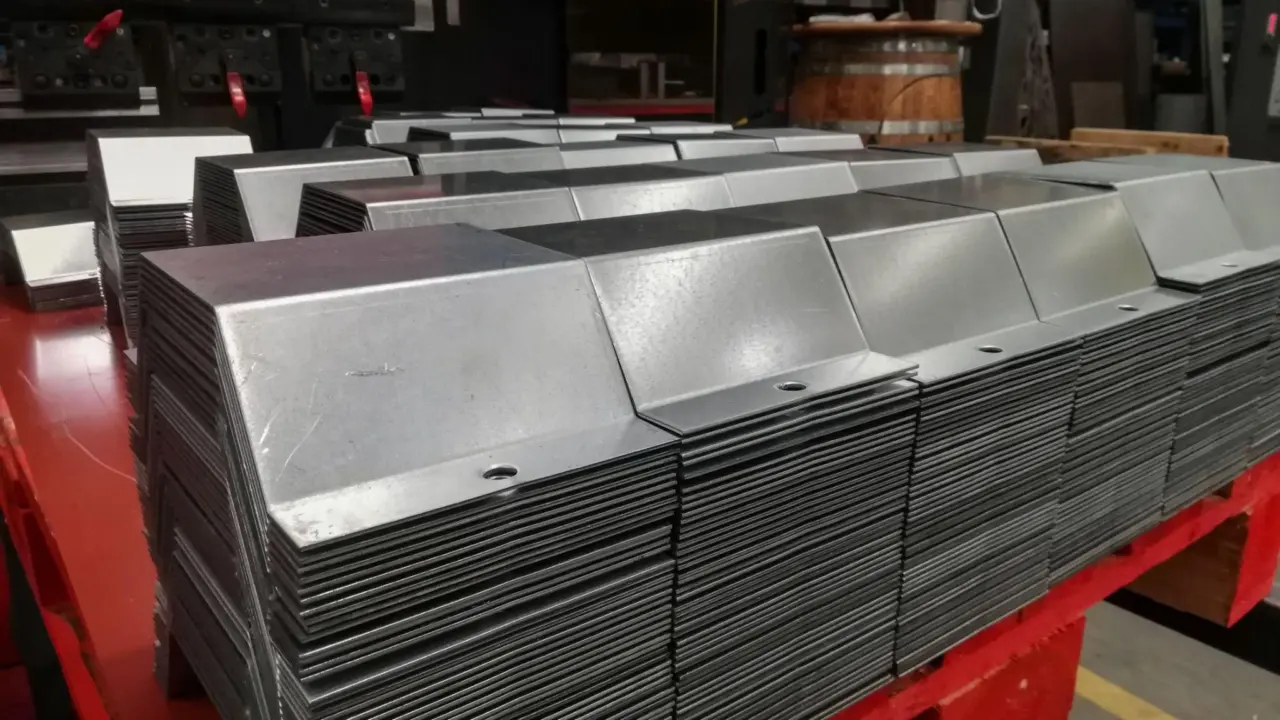
The most cost effective fabrications are designed with the forming process in mind. Bend radii, minimum flange lengths, laser cutting tolerances and weld access all influence price and lead time. Sharing a draft drawing with a sheet metal fabrication supplier before it is finalised usually produces simpler parts, fewer welded joints and a lower quote, without compromising flow or hygiene.
Sheet metal will never be the most glamorous part of a powder handling line, but specifying it properly is one of the cheapest ways to keep material moving and product clean.