| Decision point | What to know | Planning use |
|---|---|---|
| Filter type | Cartridge collectors contain cartridge filters; baghouses contain bag filters | Decide first which family suits the dust, because everything else follows from it |
| Cleaning method | Pulse-jet cleaning mechanism | Confirm the cleaning system is included and serviceable in the quote |
| Best-fit duties | Low footprint; preferred for welding, laser, plasma and other fume or smoke applications | Shortlist cartridges when floor space is tight and the duty is fume |
| Poor-fit duties | High dust volume can clog the space between pleats | Consider a baghouse for heavy loading |
| Replacement interval | Vendor suggestion of every 3-6 months for dust collector filters | Treat as a budgeting starting point, not a guarantee |
| Pressure trigger | Pressure gauge reading higher than 6 inches | Use the gauge, not the calendar, as the changeout prompt |
| Media and shape | Media material and media area vary by cartridge; shape may be round or oval | Compare quotes on media area per cartridge, not cartridge count |
The figures above come from the vendor guidance in Airmax’s baghouse versus cartridge comparison.
A cartridge dust collector filters dust-laden air through pleated cartridge filters that are cleaned by pulse-jet. It suits fume and smoke duties such as welding, laser and plasma cutting, but it is a poor fit for heavy dust loads that clog the pleats.
The rest of this guide follows the life of a cartridge installation from selection to replacement. It belongs with the wider set of industrial dust collection systems guidance, and it assumes you are weighing cartridges against a baghouse dust collector.
Selection stage: what a cartridge collector is and where it fits
A cartridge collector is a dust collector built around cartridge filters, which are pleated filter media formed into a cylindrical element. Airmax describes cartridge-type collectors as the go-to way to collect dust, and the design is common enough that most suppliers offer several housing sizes. Popularity is not suitability, though. The dust, the available floor space and the cleaning system decide whether a cartridge unit is the right tool.

Cleaning is by pulse-jet. According to Airmax, a cartridge collector is cleaned with a pulse-jet cleaning mechanism, so the cleaning hardware is part of the purchase. Cartridges that load up between cleaning cycles are the main route to short filter life, which is why the later sections treat cleaning and differential pressure together.
Cartridge or baghouse
The practical split is the filter itself. Baghouse collectors contain bag filters, while cartridge collectors contain cartridge filters. Airmax links the cartridge’s low footprint to its popularity for fume work. It also notes that bag-type filters handle a high volume of dust without clogging between pleats, and that fabric bags typically last longer between replacements.
For a buyer, that translates into a simple rule. Choose cartridges when space is limited and the duty is fume or fine airborne dust. Choose a baghouse when the dust arrives in volume and the cost of frequent changeouts would outweigh the space saving.
Applications that suit cartridges
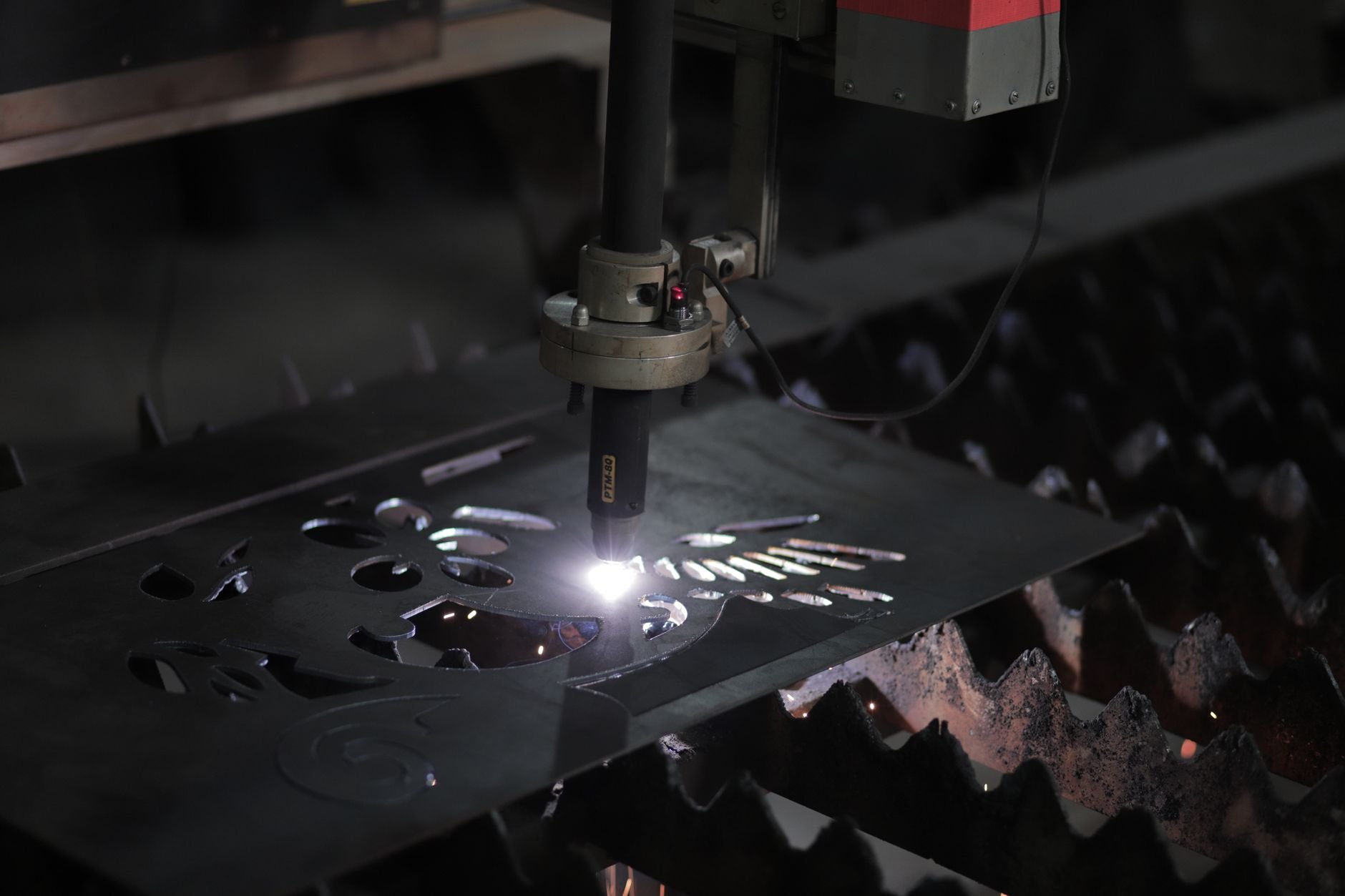
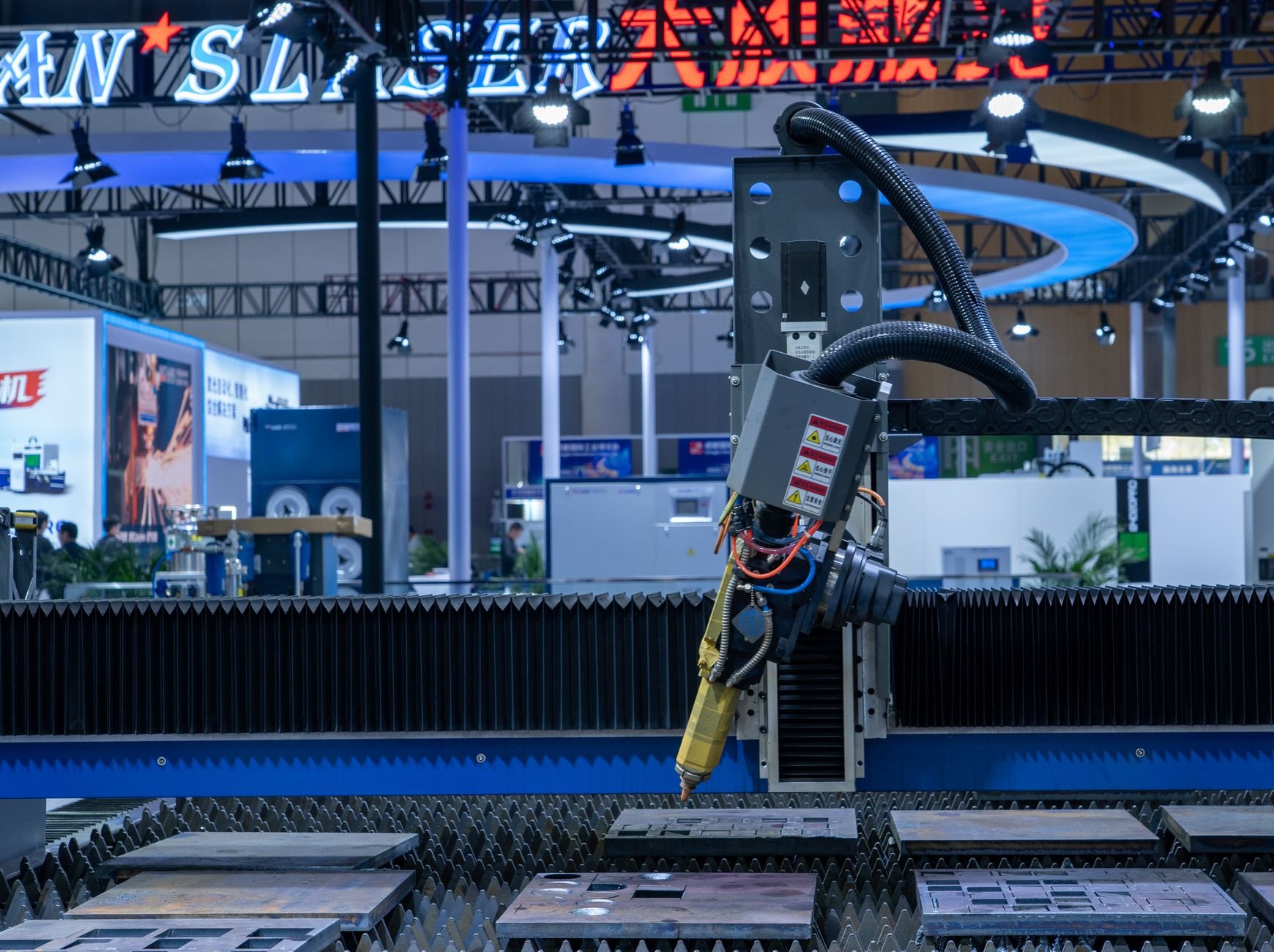
Airmax identifies welding, laser, plasma and other fume or smoke applications as the ones for which cartridge collectors are the preferred choice. That fits metal-cutting tables and weld cells, where the airborne contaminant is fine and the collector often has to sit close to the process. If the application is general-purpose filtration with moderate loading, cartridges also fit, provided the dust does not bridge across the pleats.

Specification stage: pleats, media and filter ratio
Pleated filter media packs a large filtering surface into a compact cartridge. That is the reason cartridge collectors can have a small footprint. It is also the source of their main weakness, because dust can pack into the narrow spaces between pleats instead of falling away when the cartridge is cleaned.
Pleat geometry, media and dust character therefore act together. A tightly pleated cartridge gives more surface in the same housing, but it offers less room for dust to release. A fine media lining improves filtration but, according to Airmax, usually means replacement more often than with baghouse filters. Camcorp makes the related point that the filter element depends on the type of particulate being removed, so the dust should drive the choice of media and not the other way round.
Cartridges also differ in how much media they hold. Airmax notes that cartridge filters vary in media material and in the square footage of media within each cartridge. Because the air-to-cloth ratio, also called the filter ratio, is one of the factors that affects filter life, two quotes with the same cartridge count can behave very differently in service.
- Describe the dust. Give the supplier the particulate type, how heavily the airstream is loaded and whether it is a fume or a bulk powder.
- Ask for media area per cartridge. Compare quotes on total media area and on the design filter ratio for your dust.
- Check the media material. Confirm it is matched to the particulate, as Camcorp advises.
- Confirm the cleaning system. Make sure the pulse-jet arrangement is part of the offer and that the gauge for differential pressure is fitted.
The collector’s pleats, media and ratio set the starting conditions. How the unit is run determines how long those conditions last.
Running stage: pulse-jet cleaning and differential pressure
Pulse-jet cleaning is what keeps a loaded cartridge usable between changeouts, and the pressure gauge is how the operator knows it is working. A gauge that reads steadily higher after each cleaning cycle shows that dust is not being released from the pleats.
Airmax gives a concrete trigger for replacement: a pressure gauge reading higher than 6 inches. The vendor presents this as a sign the filters have reached the end of useful service, not as a target to run towards. The sensible habit is to record the gauge reading regularly so the trend is visible before the limit is reached.
- Rising baseline. A steady climb in the reading after cleaning points to filters that are loading permanently, which is when replacement planning should start.
- Sudden jumps. A sharp change is a prompt to inspect the cleaning system and the process for a change in dust, humidity or chemical exposure.
- Logged readings. Writing the figure down at each inspection turns a vague impression into a changeout forecast.
Replacement stage: cartridge life and changeout
Cartridge life depends on conditions, not on a fixed number. Airmax suggests replacing dust collector filters every 3-6 months. It also says cartridges will most likely need replacing more often than baghouse filters because of the fine lining on the media. Use the range for budgeting and spare-stock planning, then let the gauge and the factors below refine it.
Airmax lists the factors that affect filter life:
- Accumulated dust volume. More dust means the media loads faster.
- Air-to-cloth ratio. The filter ratio sets how hard the media is worked.
- Temperature. Operating conditions outside the media’s range shorten service.
- Humidity. Moisture in the airstream affects how dust behaves on the media.
- Chemical exposure. Reactive contaminants can degrade the media.
These are the levers for extending life. Pleat design and media coating matter because they decide how the dust behaves once it lands on the surface.
- Record the gauge reading. Note the pressure gauge value before shutting the collector down.
- Isolate and open the housing. Follow the manufacturer’s procedure for the collector in question.
- Remove the used cartridges. Handle them carefully so collected dust is not released into the work area.
- Fit the replacements. Match the media and size to the original specification, then restart and compare the new gauge reading with the old one.
When cartridges are the wrong choice
Cartridges are the wrong choice when the dust load is high enough to clog the space between pleats. Airmax’s comparison states that bag-type filters handle the high volume of dust that is common in some operations without clogging between pleats in a cartridge filter. Where a process produces dust in volume, a baghouse is the more forgiving filter.
Media mismatch is the second cause. Camcorp notes that the filter element depends on the type of particulate, so a cartridge specified for one dust may perform poorly on another. If the dust is not well characterised, resolve that before ordering and not after the first set of cartridges has packed solid.
When the load is heavy, it is also worth comparing a baghouse with a cyclone dust separator, since the right answer may be a different type of collector, not a different cartridge.
Troubleshooting short cartridge life
- Cartridges changed more often than the 3-6 month guide. Review the factor list: dust volume, filter ratio, temperature, humidity and chemical exposure. Pleats packed with dust point to a loading problem rather than a defective cartridge.
- Gauge above 6 inches shortly after a new set. Check whether the replacement media suits the particulate, as Camcorp advises, and whether the dust has changed since the original specification.
- Frequent changeouts despite correct media. The duty may belong to a baghouse, which Airmax says has a longer service life between replacements.
Frequently asked questions
Do all filter cartridges use the same media?
No. Airmax notes that cartridge filters vary in media material and in the square footage of media in each cartridge, and that the shape may be round or oval. Confirm the exact element with the collector supplier.
Is a cartridge collector the default choice for dust?
Airmax calls cartridge-type collectors the go-to way to collect dust, but the choice still depends on dust loading. High-volume dust is better handled by bag filters.
Do cleaning frequency and filter design affect cartridge life?
Yes. Airmax lists filter design and cleaning frequency alongside dust volume, filter ratio, temperature, humidity and chemical exposure as influences on filter life.