| Criterion | Dilute (lean) phase | Dense phase | Planning use |
|---|---|---|---|
| Air velocity | 15-30 m/s | 3-8 m/s, at higher pressure | Velocity is the main lever for product damage and pipe wear. |
| Solids-to-air ratio | Up to 6 | Beyond 14 | Use the ratio to classify a design. A medium band sits between the two. |
| Flow pattern | Material carried in a high-velocity air stream | Plug flow, with material moving in pockets | Plug flow depends on how the material fluidizes, so test the powder. |
| Pressure drop and hardware | Lower pressure drop than dense phase | Higher pressure drop, so a pressure vessel and gas-tight valves are needed | Dense phase adds vessel and valve scope to the project. |
| Compressor, energy and cost | Higher compressor rating and more kWh per ton than dense phase | Lower compressor rating and less kWh per ton, with higher investment cost | Weigh capital cost against running cost over the plant’s life. |
Velocity bands come from Kopar, and the solids-to-air ratio, pressure, flow and cost points come from Dynequip.
Dilute phase vs dense phase pneumatic conveying comes down to the product: choose dilute phase for light, robust powders and dense phase for fragile, abrasive or heavy materials, particularly over long distances, once fluidization behaviour is confirmed.
This comparison sits within powder and bulk solids handling. It assumes the wider layout decisions are made in pneumatic conveying system design.
Light, robust powders: where dilute phase fits
Dilute phase conveying suits non-abrasive, non-fragile materials with a low bulk density. Nol-Tec puts that density typically below 62 lb/ft3. The system relies on the air stream’s velocity to pick up and entrain each particle, so the product has to tolerate being carried fast. Trimech describes the mode as low pressure, high velocity, continuous conveying.
Choose dilute phase when the product is light and tough enough that speed does no harm. It is also the natural fit for extremely light or volatile materials, which Kopar notes may need a lean phase solution to work optimally.
- What it offers: a continuous stream of material carried by high-velocity air, which matches light, free-moving powders.
- What it costs you: Trimech lists degradation of particulates and materials, and higher power output, as drawbacks.
- Who should look elsewhere: anyone moving fragile, coated or abrasive product, where the speed of this mode becomes the problem.
Fragile, heavy or abrasive products: where dense phase fits
Dense phase conveying fragile materials is usually the safer starting point. Trimech calls dense phase the best choice when you want to minimize damage to the material. A practitioner post from Wijay gives the same rule: if the material is fragile, coated, or has a surface quality that matters, choose dense phase.
Kopar lists coarse granules (1-5 mm), heavy materials (density above 1000 kg/m3) and easily degradable materials as benefiting from dense phase. It also finds abrasive materials such as sand or metal particles well suited, because they cause abrasion in the piping.

The judgement here is about what you are protecting. If breakage, fines or surface quality drive product value, take the lower-velocity mode. If the product is robust and cheap to replace, damage is a weaker argument and cost decides.
Conveying air velocity and particle attrition
Air velocity is the clearest difference between the two modes. Kopar gives lean phase conveying high air velocities of 15-30 m/s, against 3-8 m/s for dense phase at higher pressure. Lower velocity is what produces the main dense phase benefit Kopar names: reduced material wear.
Velocity cannot fall without limit. Dynequip states that the velocity of the conveying media should not be less than the terminal settling velocity of larger particles. A dense phase design therefore still has to be set against the largest particles in the product, not the average.
Particle attrition is the practical result. Trimech names degradation of particulates as a dilute phase drawback, and dense phase is its pick for minimizing damage. Treat the mode as a first-order attrition control, ahead of fine-tuning the line.
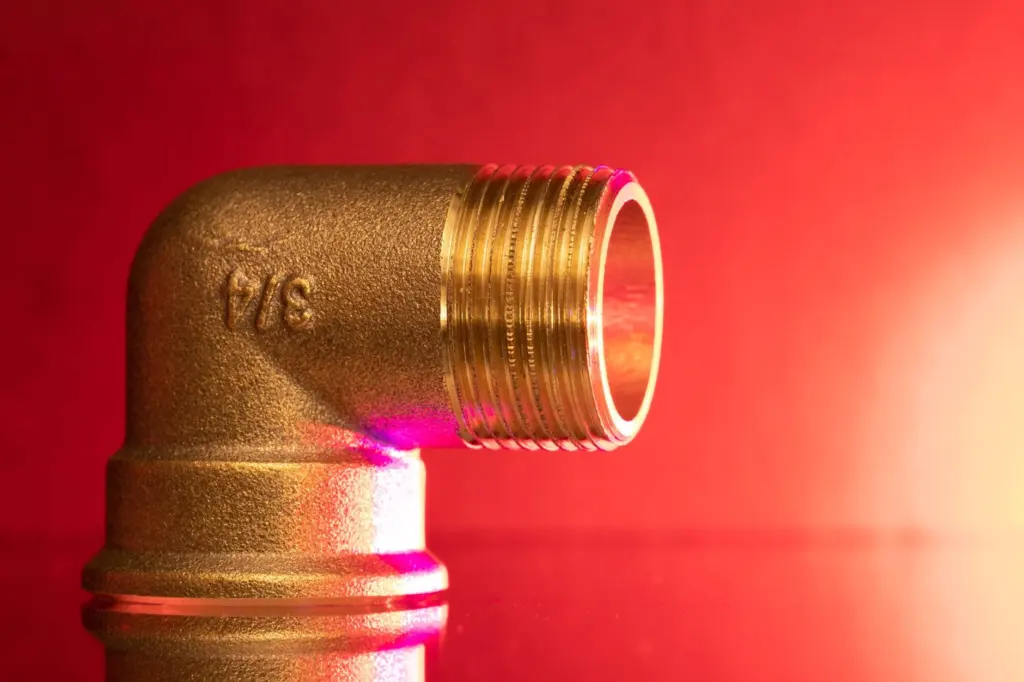
Pneumatic conveying pressure drop by mode
Pressure drop rises as the mode moves toward dense phase. Dynequip states that in dense phase conveying the pressure drop is greater, which is why a pressure vessel is required. Kopar likewise describes dense phase as running at lower velocity but higher pressure.
Dilute phase pressure conveying sits at the other end. Nol-Tec describes it as using large amounts of low-pressure air, below 15 PSIG. For selection, the trade is plain: dilute phase accepts a lower pressure drop in exchange for fast air, and dense phase accepts a higher pressure drop in exchange for slow material.
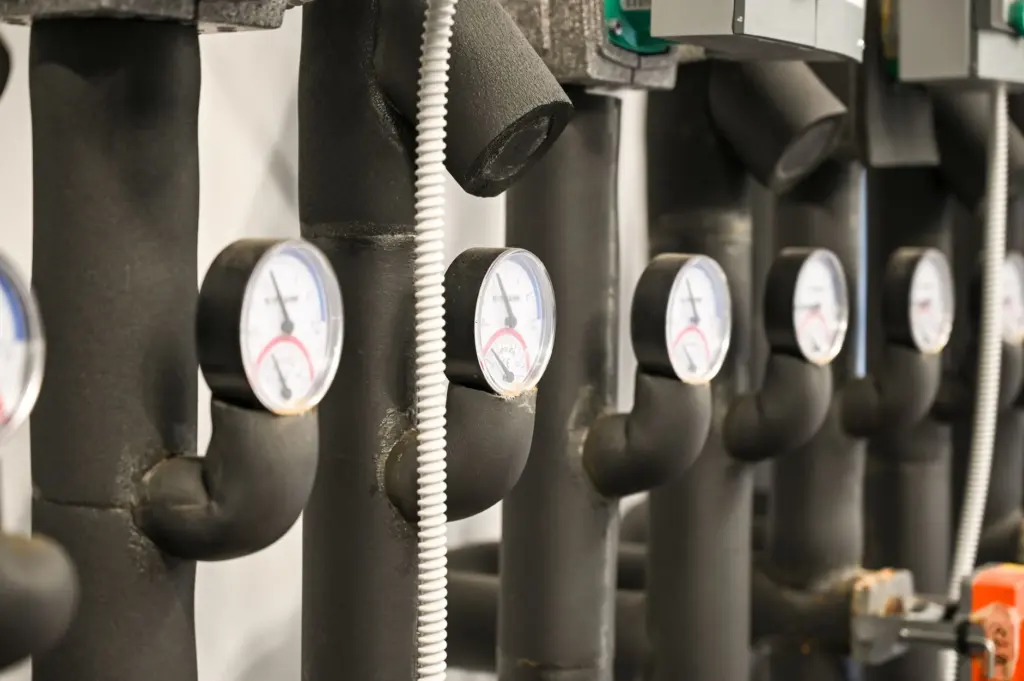
Blow tank and gas-tight valves
The blow tank is the pressure vessel that dense phase systems require. Dynequip adds that gas-tight valves are needed alongside it. That is real extra hardware, so a dense phase proposal should show the vessel, valves and their upkeep in the scope, not only the pipe route.
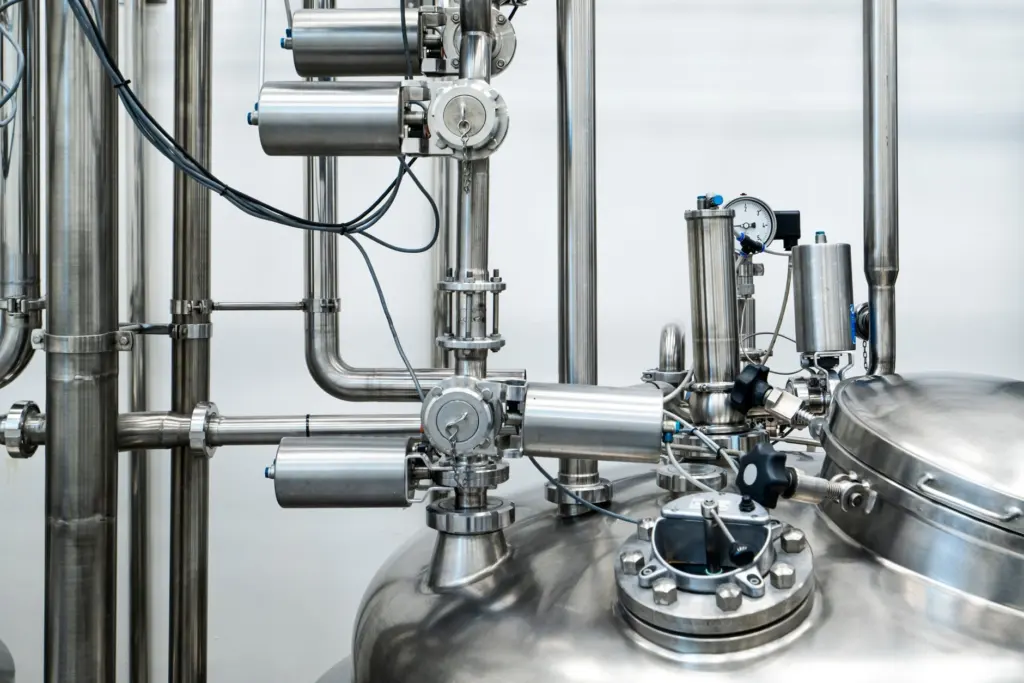
Air use, energy and cost over distance
Dilute phase uses the most air. Nol-Tec describes it as relying on large amounts of air, and Trimech lists higher power output among its drawbacks. Dynequip reports the reverse for dense phase: the compressor motor rating is lower and energy per ton is less.
The catch is up-front cost. Dynequip states that investment is higher for dense phase but operating cost is lower. Kopar ties the energy benefit to route length, naming lower energy consumption over long distances, and identifies long transfers (over 100 metres) and high altitude differences as conditions where dense phase makes sense.
- Short route, robust product: dilute phase avoids the pressure vessel and valve cost, and the energy penalty has less distance to accumulate.
- Long route or large lift: dense phase repays its higher investment through lower running cost.
- Fragile product on any route: product loss can outweigh the energy comparison, which favours dense phase.
Using the same powder in either mode
Sometimes, but the powder decides, not the preference. Dynequip states that dense phase suitability is purely dependent on the fluidization behaviour of the material. It recommends that materials without a proven record be tested in a pilot plant for that behaviour before dense phase is selected.
A robust, non-abrasive material that fluidizes well may be technically possible in either mode. In that case distance, energy and wear settle the choice. A fragile or abrasive material narrows the field, and an extremely light one pushes toward dilute phase. Request a pilot test before committing to dense phase for any new powder.
Selection rules by situation
- Light, non-abrasive, non-fragile powder: start with dilute phase and confirm the product tolerates the velocity.
- Fragile, coated or surface-sensitive product: go to dense phase and size velocity against the larger particles.
- Abrasive product such as sand: favour dense phase to reduce pipe wear.
- Long transfer or high lift: compare lifetime operating cost, where dense phase is expected to win.
- Unproven material: run a pilot fluidization test before any commitment.
Whichever mode wins, review pneumatic conveying line blockage causes before commissioning, because a design that suits the product on paper still needs a line that stays clear.
Frequently asked questions
What is medium phase conveying?
Medium phase is the band between the two modes. Dynequip classes it as a solid-to-air ratio from 7 to 13, with dilute phase up to 6 and dense phase beyond 14.
Is dilute phase always run under vacuum?
No. Nol-Tec distinguishes pressure systems, which use low-pressure air below 15 PSIG, from vacuum systems. Vacuum systems use high-velocity air of 3,500-9,000 ft/min and are typically used over short distances at low capacities.
What does plug flow mean in dense phase conveying?
It means the material does not travel as a continuous stream. Dynequip describes dense phase flow as plug flow, with material moving in pockets, which is why fluidization behaviour matters so much.