| Conveying mode | Air velocity | Air pressure | Other design marker | Planning use |
|---|---|---|---|---|
| Dilute phase | Typically 18–35 m/s | Up to 1 bar | Solids loading less than 15 (mass solids/mass gas); superficial gas velocity over 4,000 ft/min | Material travels in suspension at high speed. Suits fine, free-flowing powders; watch pressure drop on long routes. |
| Dense phase | Typically 3–10 m/s | 1–4 bar | Pickup velocity around 200 to 600 ft/min at the pickup point | Slower, higher-pressure flow. Use it where gentler handling matters and the powder is not cohesive or sticky. |
Velocity and pressure ranges come from Atlas Copco’s pneumatic conveying principles, and the solids loading and pickup figures from Processing magazine’s overview of basic concepts.
Pneumatic conveying system design starts with the powder, not the equipment: characterise the material, pick positive or vacuum mode, then size air velocity and line. Fine, fluidizable, dry powders suit it best.
For the wider context of storage, feeding and transfer, see our guide to powder and bulk solids handling. The detailed mode comparison sits in dilute phase vs dense phase pneumatic conveying.
Material properties to establish first
Every later choice depends on how the powder behaves in an air stream, so characterise it before looking at blowers or pipe. APEC’s design guidance lists the properties to define: density, flow rate, permeability, particle size, moisture content and friability.
- Bulk density and particle size: these set the outer limits. Piab treats particles larger than 30 mm (1.2 in) or bulk densities over 8 kg/l (500 lb/ft3) as unsuitable for pneumatic conveying.
- Dryness and fluidizability: Piab notes that pneumatic conveyors work best with fine, fluidizable, dry powders. A powder that is damp or does not fluidize is the first sign the design needs more scrutiny.
- Friability and abrasiveness: conveying velocity strongly affects particle breakage (attrition) and abrasive wear, according to Processing magazine. A fragile or abrasive product pushes the design toward the lowest workable velocity.
- Permeability and moisture: these influence how the material takes up air and whether it can be moved gently, which matters when you compare modes in the next stage.
If the product is too coarse or too dense for these limits, a mechanical option such as a belt conveyor for bulk materials is the more realistic route.
Choosing dilute or dense phase
Dilute phase moves material in suspension at high speed, while dense phase moves it slowly at higher pressure. Piab describes dilute phase as usually moving material at high speeds, and dense phase as often used for short distances.
The table above gives the typical ranges. Beyond them, a few distinctions guide the decision:
- Dilute phase operation: superficial gas velocities tend to be over 4,000 ft/min, according to Processing magazine.
- Dense phase operation: Progressive Products reports air velocity as low as 3–8 m/s at the beginning of the line, and generally narrower pipe than dilute phase.
- Dense phase material limits: Processing magazine lists fibrous, sticky, moist, wet or cohesive particles as unsuitable, with a maximum particle size under 50 mm.
- Intermediate (strand) flow: this regime requires careful control of gas velocity at the material pickup point.
Fine powders can behave unexpectedly. Progressive Products notes that some fine granules, such as calcium carbonate, actually compact under pressure and can plug a line, so a fine powder is not automatically a dense phase candidate. Atlas Copco stresses that the choice has a direct impact on energy costs, product integrity and operational throughput. That is why the mode decision deserves more time than the equipment selection that follows.
Positive pressure or vacuum
Pneumatic conveyors work in one of two modes, positive pressure or vacuum, according to Piab. The choice mostly comes down to distance and temperature.
- Positive pressure conveying: Atlas Copco says it handles longer distances and higher temperatures well but generates more pipeline wear. Choose it when the route is long or the product is warm, and plan inspection of the line.
- Negative pressure (vacuum) conveying: the distance range is more limited than with pressure conveying, but the air at the unit is cleaner and cooler than in pressure systems. It suits shorter runs where air condition at the receiving unit matters.
In practice, work out the route length first. A long run points to pressure. A short run with a premium on air condition at the unit favours vacuum.
System components in the order material travels
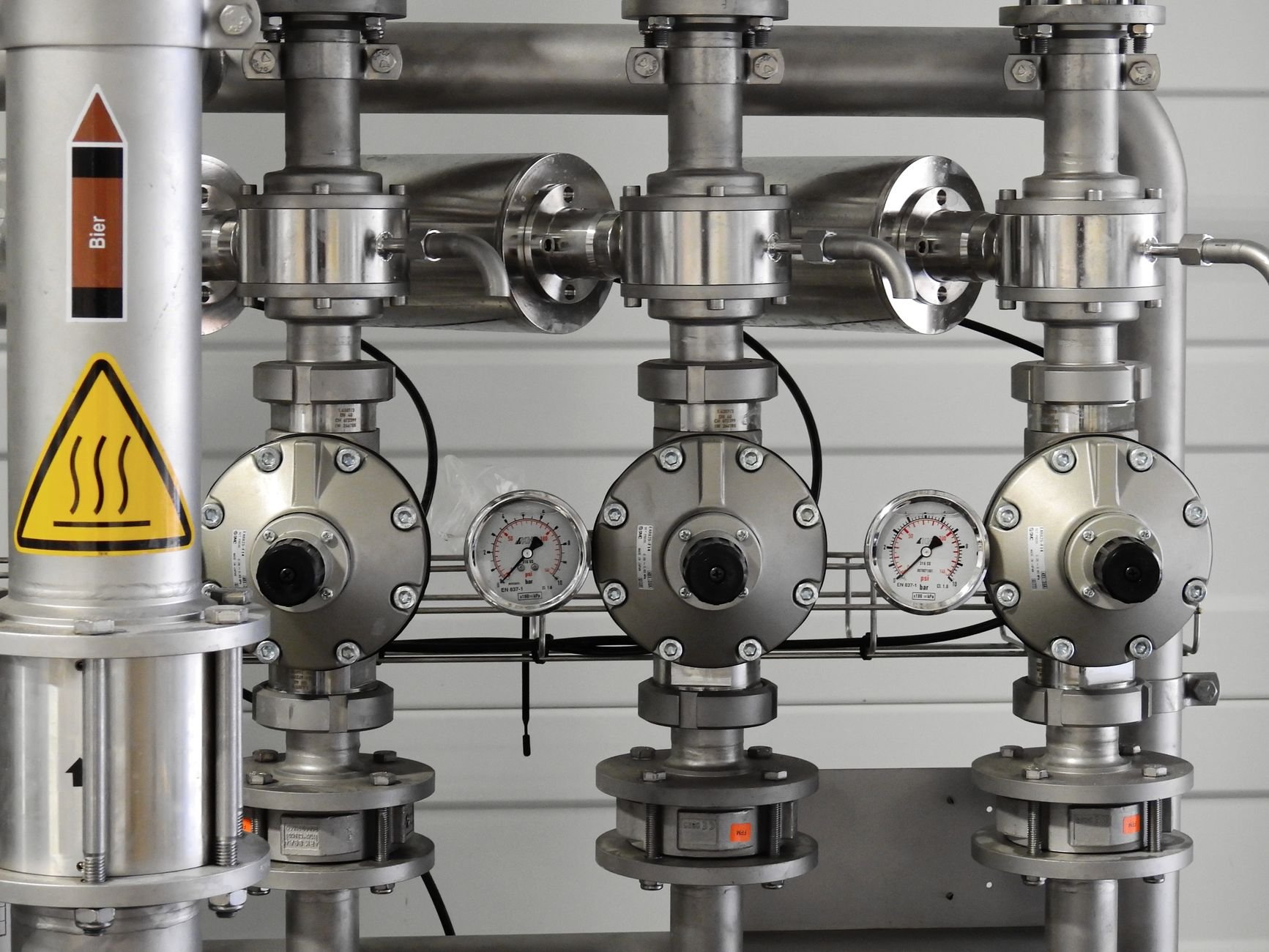
Piab lists four basic elements: a vacuum source, a material feed device, a conveying line and an air-material separator. A pressure system uses a blower or compressor in place of the vacuum source, but the sequence is the same.
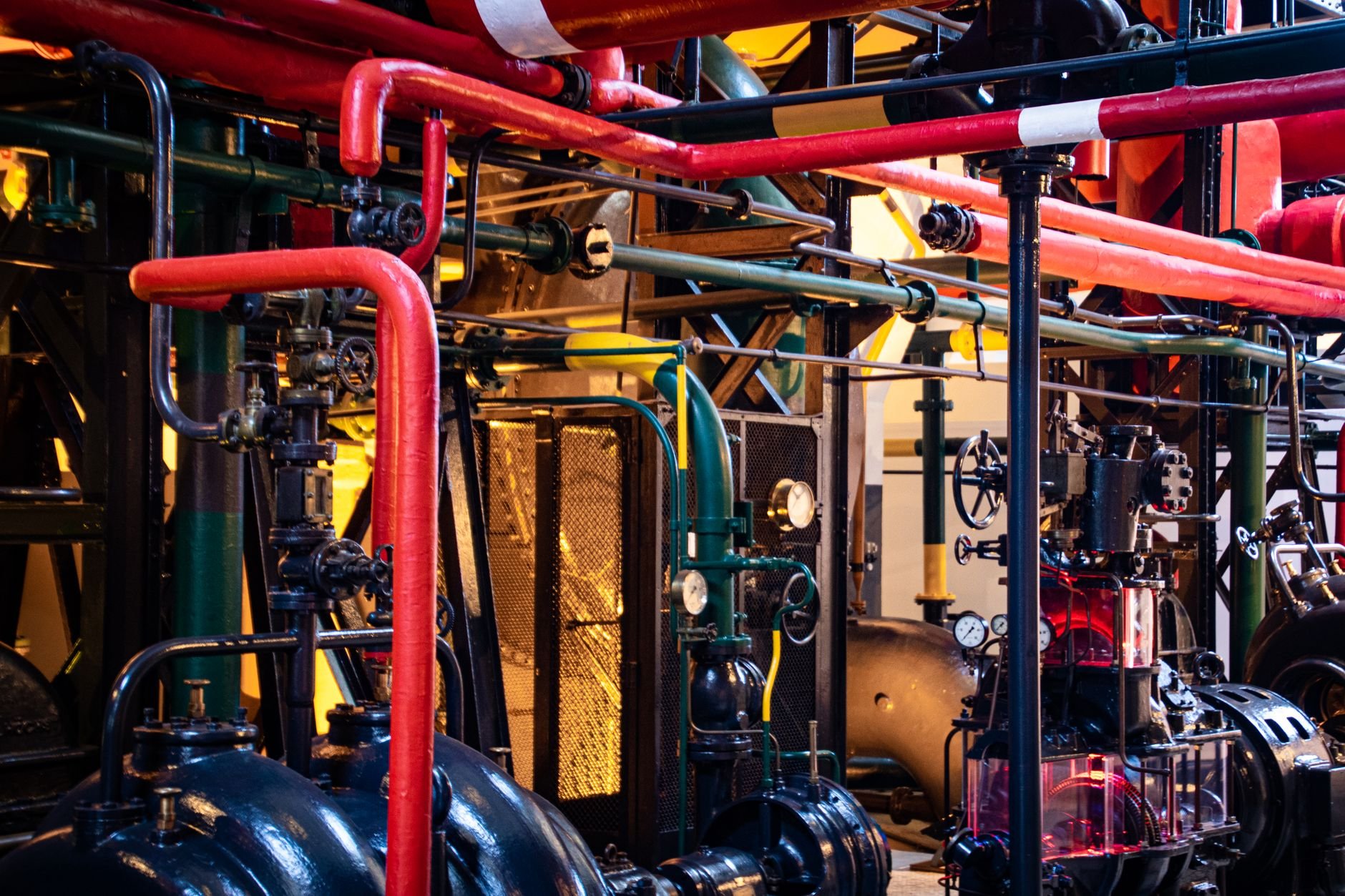
Air mover
The air mover sets the pressure or vacuum, so it follows from the mode and phase. Dilute phase uses air at up to 1 bar, and dense phase 1–4 bar, in the ranges above. Size it for the line’s pressure drop, not just the free-air volume.
Feed device
The feed device meters product into the conveying air at the start of the line. This is also where pickup velocity is controlled, and Processing magazine treats the pickup point as critical for intermediate flow regimes.
Conveying line
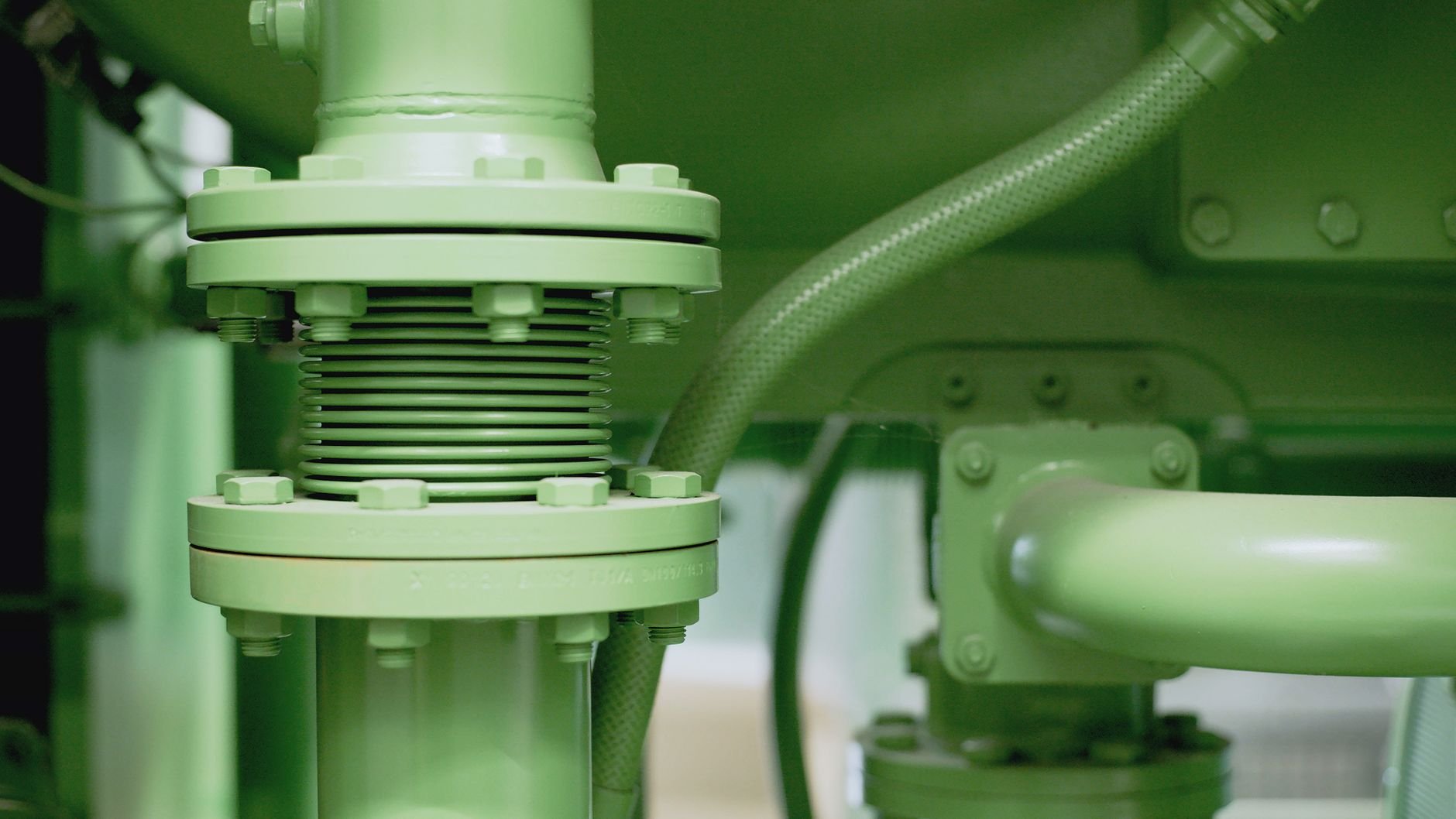
The line carries the mixture of air and powder to the destination, so its diameter, length and routing drive pressure drop. Flexible connections absorb movement between fixed equipment and the line.
Air-material separator
At the destination the air and product must be separated. In many layouts a filter receiver does this, letting the conveying air leave through its filter while the powder drops into the receiving vessel.
Sizing the line
Minimum and operating velocity
Minimum conveying velocity is set against the saltation velocity. Processing magazine says a velocity slightly above the saltation velocity should be considered the absolute minimum gas velocity for dilute phase. Treat that as a floor, not a target, and do not run faster than the product can tolerate, given the attrition and wear effects described earlier.
In dense phase, the pickup velocity matters more than a single line velocity. The 200 to 600 ft/min pickup range in the table is a typical band for the pickup point, not a design value for your powder.
Pipe diameter and length
Diameter and length determine how much air you need and how much pressure you lose. Dense phase systems generally use narrower pipe than dilute phase, which is part of how they run at lower air velocity. Longer lines cost pressure: Processing magazine notes that long-distance dilute phase conveying can operate at a pressure drop of more than 3 bar. That is a reason to favour positive pressure on long routes and to keep the line as direct as the plant allows.
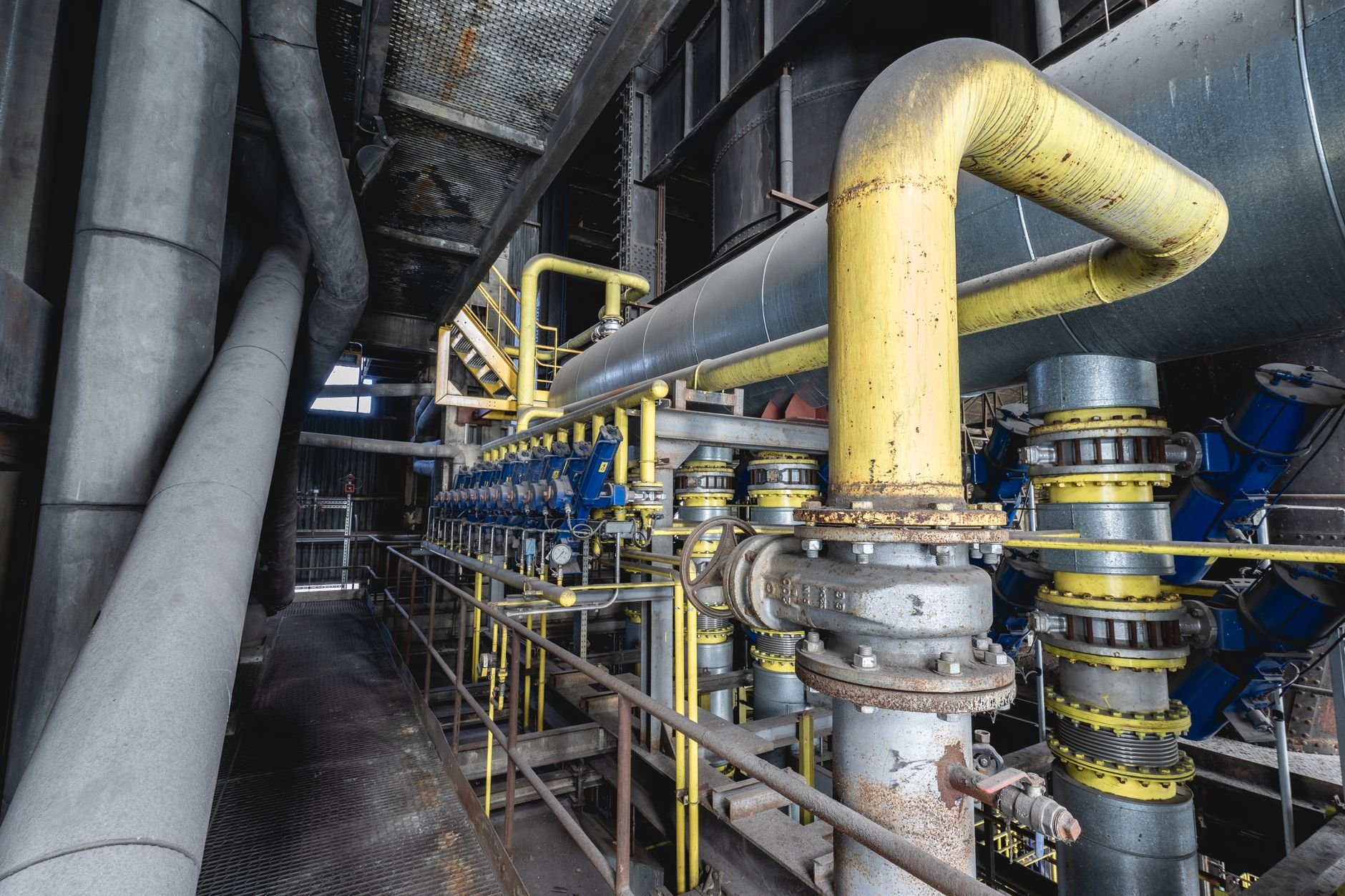
Because pressure systems wear the pipeline more, bends and other changes of direction are the natural places to inspect first.
Troubleshooting a line that underperforms
Work through these checks in order when a new or existing line plugs, runs short of throughput or drifts from its design pressure.
- Re-check the material: a fine powder that compacts under pressure, as calcium carbonate can, may plug a dense phase line even though it looks suitable on paper.
- Re-check air conditions: humidity and air temperature affect air pressure and velocity, per APEC, so a line that behaves differently between seasons may be responding to the air rather than the product.
- Compare velocity with the minimum: confirm the operating velocity still sits above the saltation-based minimum for dilute phase.
- Review the mode: if pressure drop on a long route is the problem, positive pressure is the mode Atlas Copco associates with longer distances.
Frequently asked questions
What is pneumatic conveying?
Pneumatic conveying is the transport of solid particulates with a moving carrier gas, typically air, as Processing magazine defines it.
What does the choice of system affect?
According to Atlas Copco, choosing the right system has a direct impact on energy costs, product integrity and operational throughput.
What air pressure do dilute and dense phase systems use?
Progressive Products puts low-pressure dilute phase entry air under 15 psig. High-pressure dense phase systems use smaller amounts of air at 15–50 psig.