Powder processing unit operations are chosen by working backwards from what the next machine needs: start with the flow, size and moisture that downstream equipment can tolerate, then pick the drying, granulation, mixing, milling or screening step that delivers it.
The first decision is which symptom is hurting the downstream step: dampness, lumps, wrong particle size, poor flow or inconsistent composition. If moisture is the problem, begin with how to dry powders. If lumps, dust or poor flow dominate, go to the granulation and size-reduction sections below.
Choosing a starting point by downstream symptom
The right first operation is the one that removes the symptom the next machine reports. A filler, press, extruder or packing line does not care how a powder got to it. It responds only to the moisture, particle size, flow and uniformity of what arrives.
- Damp, sticky or caking feed: look at drying first. Granulating or milling a powder that is still too wet usually moves the problem rather than solving it.
- Fine, dusty powder that bridges or rat-holes: look at agglomeration. Building larger, more uniform clusters is the standard way to make fine material flow and meter predictably.
- Hard lumps or oversize pieces: decide between deagglomeration, size reduction and screening. Lumps that are only loosely bound call for gentle breaking. Genuinely coarse particles call for milling.
- Batch-to-batch variation in composition: look at mixing, and at what feeds the mixer. A good blender cannot rescue ingredients that arrive with very different particle sizes.
- Unknown behaviour: measure the particle size distribution and flow properties before buying or changing anything. The measurement section near the end of this guide explains why.
Three criteria narrow the choice quickly. The first is the downstream specification: the particle size range, moisture level and flow behaviour the next machine needs, written down before any equipment is discussed. The second is the fragility of the material. Heat-sensitive, friable or shear-sensitive powders rule out some routes outright. The third is whether the operation will run in batches or continuously, because that changes what buffering and feeding you need around it.
The operations also interact. A mill changes the fine fraction, and the fine fraction changes how the powder flows. A dryer that leaves a cohesive product creates work for a sifter. Treat the sections that follow as links in one chain. The best answer at one step is the one that leaves the following step an easier job.
Receiving, conveying and feeding
Handling equipment decides whether the process steps see a steady, repeatable stream of powder, so it belongs in the process design from the start. Manufacturer guidance from Galaxy Sivtek describes the main building blocks of a bulk powder line, and they map neatly onto decisions.
Conveyor choice
Screw conveyors give highly controlled volume transfer at short-to-medium distances. They suit a layout where the source and the process machine are close and the quantity delivered matters more than speed. Pneumatic conveyors are described as good for long-distance enclosed transport at high throughput. Choose pneumatic when the route is long or must stay enclosed, and accept that you are then designing a conveying system rather than simply moving a screw.
Metering and buffering
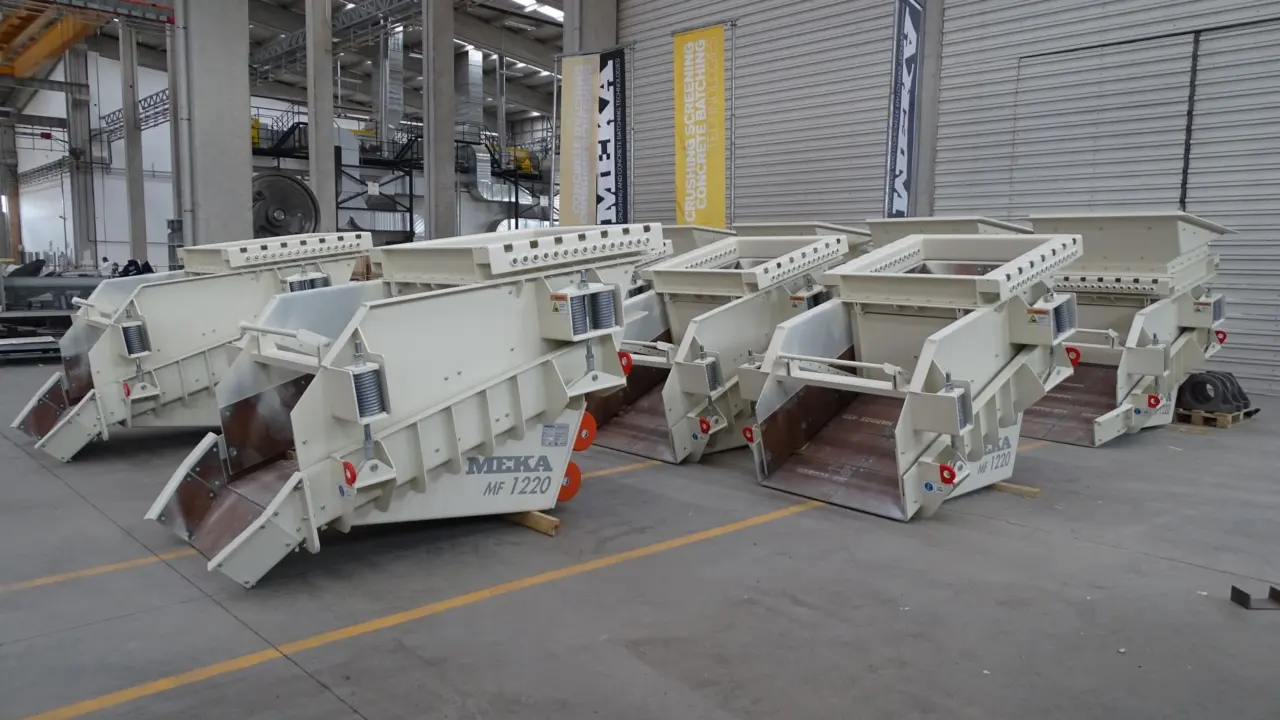
A rotary valve functions as a metering device between the conveying and processing equipment. It is the point where an irregular supply becomes a controlled feed. A feed hopper maintains a constant feed rate to downstream machines, so a dryer, mill or blender does not see surges as bags are emptied or conveyors start and stop. If a downstream machine is sensitive to feed rate, give it a buffer and a meter. Do not feed it straight from the conveyor.
Good handling also protects the equipment that follows. The lower the variation in feed, the more closely a dryer or granulator can be held to its target conditions, and the easier it is to separate real process problems from feeding noise. Once the supply is steady, the next question is usually moisture.
Drying without losing handleability
The purpose of drying in a powder line is rarely just to reach a moisture number. It is to deliver a product that flows, does not cake in storage and survives the next step. Judge a dryer by the condition of the powder it leaves behind. The evaporation rate is secondary.
The overview of how to dry powders compares the main routes. Two deserve a quick orientation here, because they sit at different points in a process. A spray dryer takes a liquid feed and turns it into dry powder, so it can sit at the start of the powder line. The guide to how does a spray dryer work covers the mechanics. A fluid bed dryer works on material that is already particulate, such as wet granules, and the guide to how does a fluid bed dryer work covers that principle.
- Choose by the form of the feed: liquid, paste or damp solid points to different dryers, so settle this before comparing vendors.
- Choose by heat sensitivity: if the product degrades, set the allowable temperature before choosing the dryer type, not after.
- Choose by what comes next: if the next step is a press or filler, the dried product has to flow, and the granule or particle structure the dryer leaves behind matters as much as dryness.
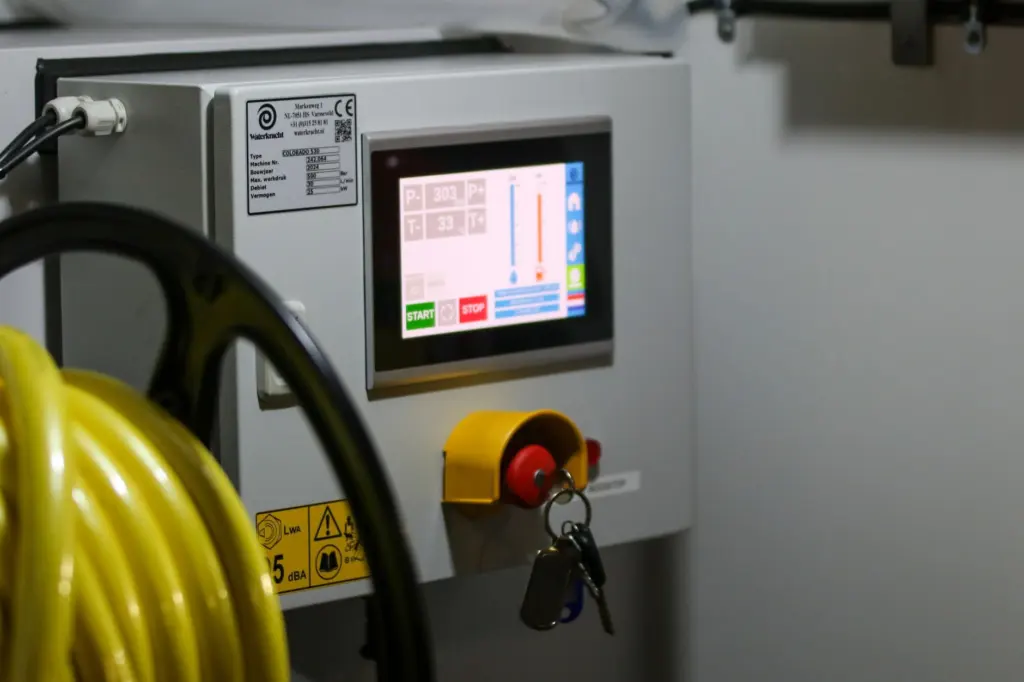
- Choose by how it is controlled: a dryer is held to its setpoints through its control system, so decide who adjusts them, how alarms are handled and what stops the machine safely.
Do not dry further than the downstream step needs. Excess drying costs energy and can leave a harder-to-handle or more dusty powder. When drying has done its job, the powder may still be too fine or cohesive, which is where agglomeration comes in.
Granulation and agglomeration
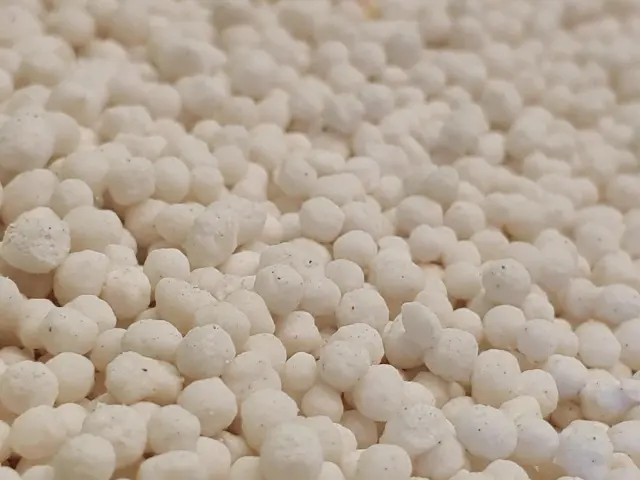
Agglomeration is the bonding of fine particles into larger clusters, and granulation is the deliberate, controlled version of it. In a process line, agglomeration can be a goal or a defect. As a goal, it turns a dusty, cohesive powder into granules that flow and meter better. As a defect, it appears as lumps in a blend or in stored material, and it is handled by deagglomeration.
The decision starts with whether a liquid binder is acceptable. A broad map of the types of granulation shows the options. In practice they divide into wet routes that use a liquid and dry routes that compact the powder. The question of wet granulation vs dry granulation comes down to whether the material tolerates liquid and any subsequent drying, and whether the downstream process wants granules of a particular density and strength.
Wet routes
The high shear granulation process builds granules in a mixer with intense agitation, and the fluid bed granulation route builds them in a stream of air. Choose between them by the granule properties you need and by how much of the downstream process you want to combine into one machine. A fluid bed unit can granulate and dry in the same vessel, which is attractive when you want fewer transfer steps. A high-shear unit is attractive when you want a dense, strong granule from a short cycle.
Dry routes and what follows
Where a powder cannot take a liquid or the heat to remove it, dry granulation is the alternative. The explanation of what is roller compaction covers the most common dry method. Granules are rarely the end of the line. If they are to be formed into a compact, the powder compaction process is the next stage. If each particle needs a functional layer, the fluid bed coating process applies it.
The test of any granulation choice is what the granules do afterwards. They should flow from the hopper, mix without segregating and survive handling. If they do not, adjusting the granulation is usually better than adding more downstream fixes.
Mixing and blending
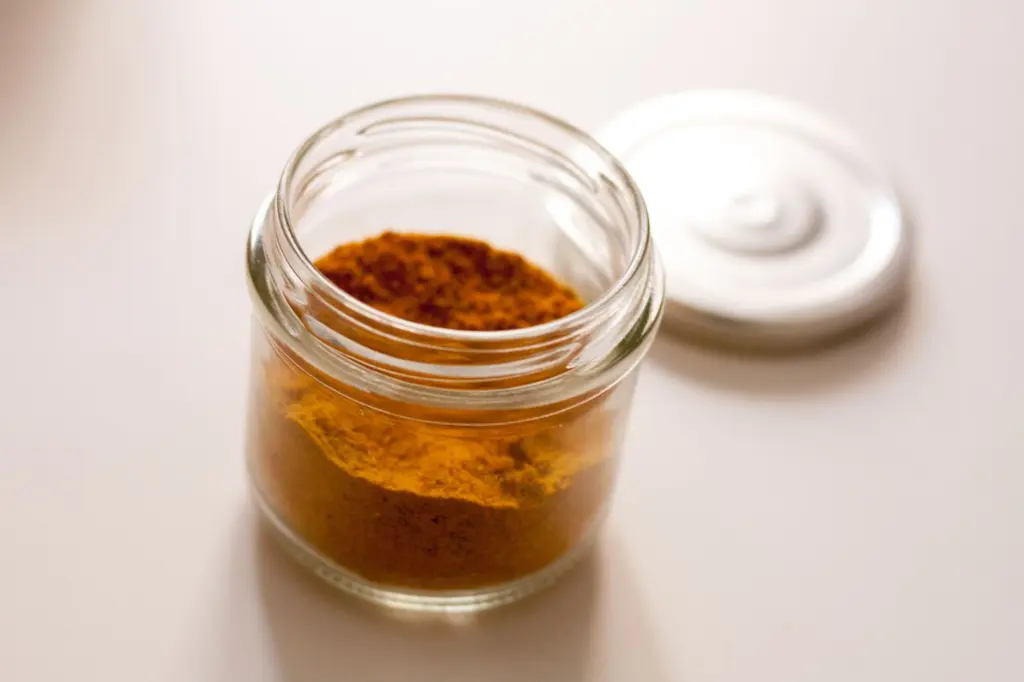
The main powder mixing methods are tumbling, agitated and high-shear approaches, and the right one depends on how fragile the material is and how well its ingredients combine. An industry overview on IQS Directory lists four primary blending and mixing techniques in a powder metallurgy context: the rotating drum, the rotating double cone, a screw mixer inside a drum and a blade mixer within a drum. The list is a useful starting point for any powder, because it shows the basic split between tumbling a container and stirring the powder inside one.
Choosing between mixer types
- Tumbling mixers (drum, double cone): the container moves and the powder tumbles with it. They suit free-flowing materials where gentle handling matters.
- Ribbon and paddle blenders: agitators move the powder inside a stationary trough. A ribbon blender is the familiar example, and it is worth considering when you want agitation, a defined trough and the option of variable speed.
- Rotary batch mixers: a manufacturer summary reported in Food Engineering describes an Akona rotary batch mixer as suitable for dry powders, granules, pellets and fragile or friable materials. If the product is damaged by rough handling, start your shortlist here.
- Blenders with intensifiers: for lumpy or hard-to-blend ingredients, the same trade coverage describes a Munson sanitary paddle blender with two intensifiers, each driven by a 5 HP (3.73 kW) motor, that impart additional shear to break down agglomerates and disperse tough-to-blend materials.
The deciding trade-off is gentleness against dispersion. Tumbling and rotary designs are the cautious choices for fragile material. Blenders with added shear are the choice when ingredients clump and a simple blend will not disperse them. Do not buy shear you do not need, because friable particles can break and change the size distribution you worked to achieve.
Mixing also depends on what the ingredients bring with them. Similar particle sizes and flow behaviour make a uniform blend easier to reach and easier to keep through the hopper, conveyor and filler that follow. If the blend separates after it leaves the mixer, the fault may lie in the ingredients or the transfer route, not in the mixer. The next operations deal with particle size directly.
Size reduction methods
Common size reduction methods for powders fall into impact, grinding-media and fluid-energy milling, and they differ in how aggressively they act on the material. The guide on how to reduce particle size of powder compares them in more depth, and the principle behind choosing is the same each time: use the gentlest method that reaches the target size.
- Impact milling: a hammer mill breaks particles by striking them, and it is a common first stop for coarse or brittle material. The guide to how does a hammer mill work covers the operating principle.
- Grinding-media milling: a ball mill reduces size by tumbling the material with media, and it is associated with finer grinding in a closed vessel. The guide to how does a ball mill work explains the mechanism.
- Fluid-energy (jet) milling: particles are reduced by collisions in a high-velocity gas stream, which is the usual route when a fine product is needed without a grinding medium touching it.
- Deagglomeration: when the material is already the right primary size but stuck together, breaking lumps is a different job from milling. The trade press describes the Gericke Nibbler as offering deagglomeration and size reduction for high throughput in tight spaces. The GNB 530 and the smaller GNB 250 for low volume share the same proprietary technology, according to Food Engineering.
The decision rule is to separate lumps from coarse particles first. Milling a lumpy powder that is already fine risks making more fines, which can make flow worse. Deagglomerating a genuinely coarse powder will not reach the target size. Treat a size-reduction step as something that changes the distribution, and plan to measure the result.
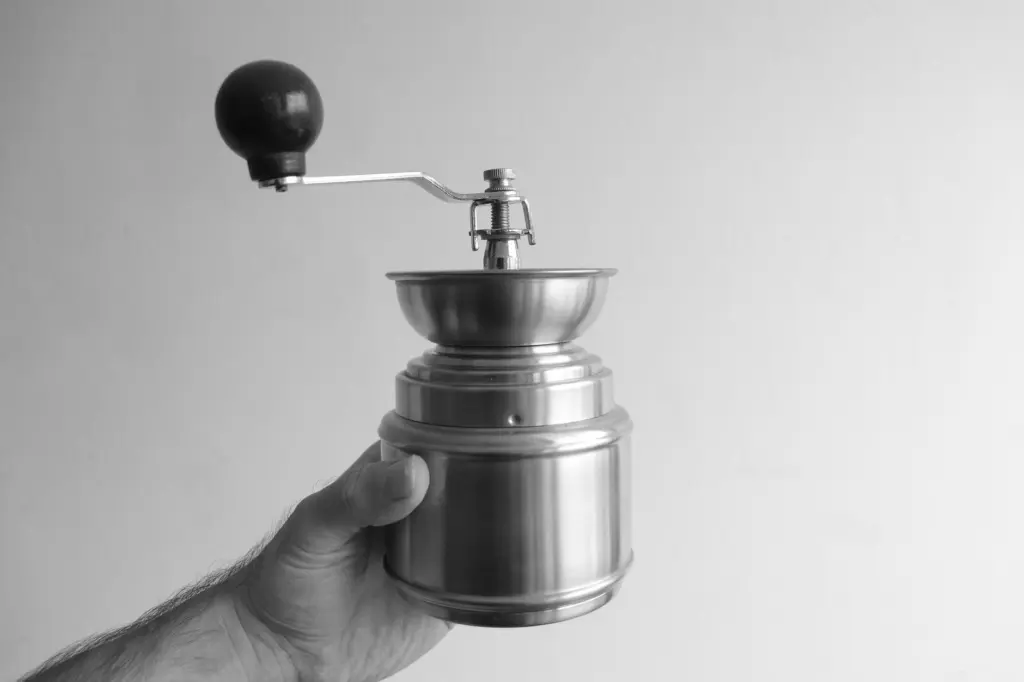
Because every mill produces a spread of sizes, the output usually needs to be sorted. That is the job of screening and classification.
Screening and classification
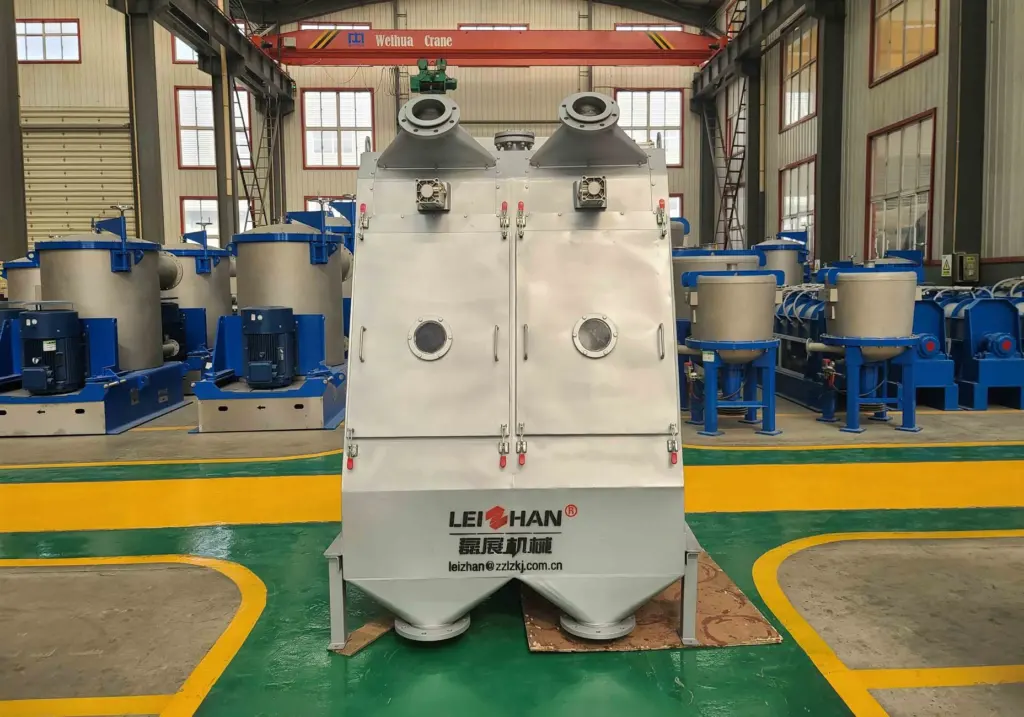
Screening separates particles by size on a mesh, and in a powder line it works as a protective step as much as a sizing step. A vibro sifter is described by Galaxy Sivtek as automatically removing oversized particles, contaminants, lumps and foreign elements before they reach downstream steps. That makes it useful ahead of a blender, filler or press, where a single oversize piece can cause a problem.
Mesh performance depends on how the powder reaches it. The same guide says a bulk feeder distributes material steadily onto the mesh and so maintains screening efficiency and mesh longevity. If a sifter is blinding or wearing quickly, check the feed first. A surging feed overloads part of the mesh and starves the rest.
Where to place a screen
- Before a sensitive machine: to stop lumps and foreign material at the entrance to a mixer or press.
- After milling or granulation: to return oversize material for re-processing and keep the product within its size window.
- Before packing: to catch anything that formed or entered since the last check.
When separation has to be finer or based on something other than a mesh opening, classification is the alternative. The explanation of how does an air classifier work shows how particles can be sorted in an air stream. Use a screen for protection and coarse cuts, and look at classification when the size distribution itself is the product specification.
Measuring particle size distribution
Particle size distribution is the measurement that connects every operation above, because it describes how much of a powder falls into each size range. A single average size hides the fines and coarse tail that usually cause the handling trouble. IQS Directory lists the factors analysed when characterising a powder before mixing: particle size distribution, flowability, apparent density, tap density and compressibility.
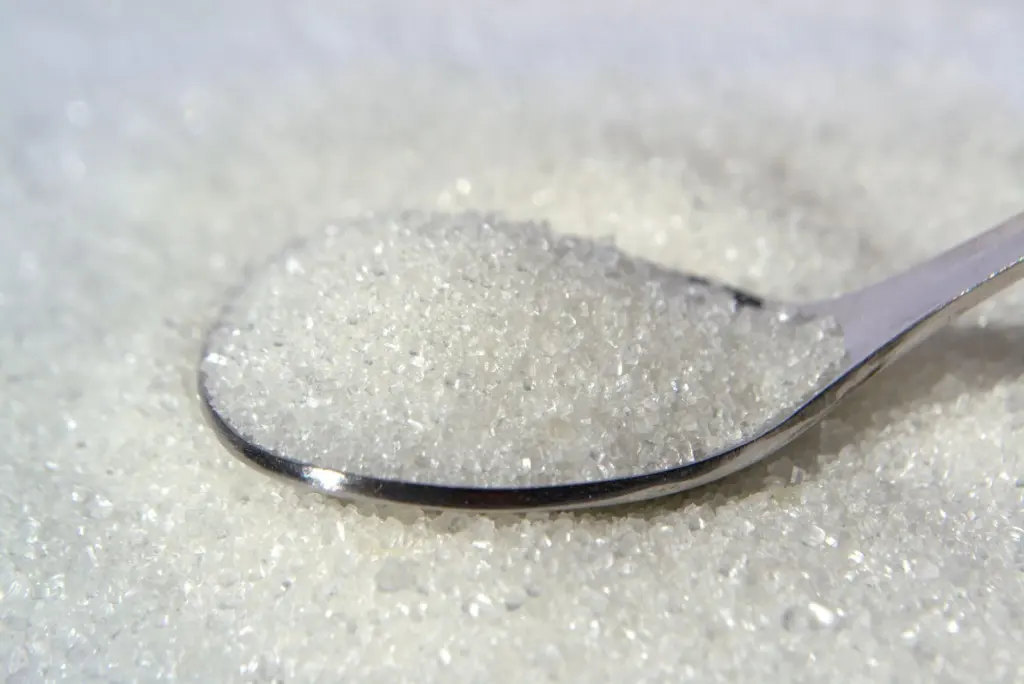
Read those factors as a set. Particle size distribution tells you what a mill or screen has done. Flowability tells you whether a hopper will discharge. Apparent density and tap density describe how the powder packs, which affects hopper sizing, filling and compaction. Compressibility matters when the powder is to be pressed. No single factor predicts handling on its own.
Make measurement part of the process, not an afterthought. Sample before and after each operation that is meant to change size, so you can see what the step really did. The guide to particle size analysis methods compares the techniques. Choose a method whose result matches how the powder will be used, and keep the method constant when comparing batches.
Equipment choices at a glance
The table below condenses the handling, mixing and separation choices into one view. Use it to shortlist equipment, then test it against your own material.
| Equipment | Role | Fits when | Planning use |
|---|---|---|---|
| Screw conveyor | Controlled volume transfer | Short-to-medium distances | Choose where the route is short and delivered quantity matters |
| Pneumatic conveyor | Enclosed transport | Long distances at high throughput | Choose where the route is long or must stay enclosed |
| Rotary valve | Metering between conveying and processing | A controlled feed is needed at a machine inlet | Place at the hand-over to the process machine |
| Feed hopper | Constant feed rate to downstream machines | Supply is irregular or batchwise | Use as a buffer ahead of dryers, mills and blenders |
| Vibro sifter | Removes oversize, lumps and foreign elements | Protection ahead of downstream steps | Fit ahead of sensitive machines and after size reduction |
| Rotary batch mixer | Gentle batch mixing | Dry powders, granules, pellets, fragile or friable materials | Shortlist first for damage-prone products |
The handling and screening rows draw on the manufacturer guide from Galaxy Sivtek, and the mixer row on the trade press summary in Food Engineering.
Frequently asked questions
Why is blending dry ingredients harder to automate than blending liquids?
Trade press coverage of powder processing notes that combining dry ingredients has unique challenges that have been difficult to control with automation. In practice, plan sampling and checks around a dry blend rather than assuming a controller will hold it.
Which bag sizes suit a bag dump station and which suit a big bag unloader?
According to Galaxy Sivtek, a bag dump station is intended for smaller bagged materials of 20–50 kg, giving an ergonomic and dust-free unloading platform. Its big bag unloader is designed for jumbo FIBC bags of 500 kg to 2000 kg, unloaded without manual cutting, lifting or tilting.
How fast can a ribbon blender run?
Speed depends on the design. One published example, the ROSS 42N-18, delivers blending at speeds up to approximately 47 RPM with variable speed control down to 5 RPM, driven by a 7.5 HP TEFC motor, as reported by Food Engineering. Treat it as an example of a speed range, not a target for other machines.
What are the four stages of powder metallurgy processing?
An overview from IQS Directory gives them as powder preparation, blending and mixing, compacting and sintering. The sequence is a useful illustration of why preparation and characterisation come before mixing.