Choosing among the types of industrial dust collectors starts with the dust: cartridge units suit fine, dry particulate, baghouses suit heavy, abrasive or hot loads, with cyclones and wet scrubbers as the non-filter alternatives.
A plant adding a collector for a fine, dry powder line and a hot dryer will find the dust, the temperature and the floor plan pointing at different types. This comparison scores each family against those conditions. The operating basics are in how does an industrial dust collector work, and the wider topic sits under industrial dust collection systems.
Decision criteria to settle first
Americorp’s guide to dust collector types names five main types: cyclone, baghouse, cartridge, electrostatic precipitator and wet collector. The same guide lists the conditions that decide between them. Work through them in this order, because each step narrows the options for the next.
- Classify the dust. Decide whether it is fine, coarse, abrasive, sticky or combustible. This single answer rules out more options than any other input.
- Measure the load and particle size. ACT Dust Collectors advises starting by analysing particle size, loading rate, temperature and how the dust will be captured.
- Record temperature and humidity. Both influence the filter media and the type of system, so note the highest and lowest conditions at the collector inlet.
- Assess explosion risk. Combustible dust may require special protections, which changes the equipment specification rather than only the collector choice.
- Check available space. Space determines whether compact or modular systems are needed, and it often decides between a single large collector and several small ones.
- Choose the capture layout. Settle whether dust is collected at each machine or drawn through ducting to a shared unit before comparing prices.
Baghouse, cartridge and cyclone compared
Baghouses and cartridge collectors both capture dust on filter media and clean it off with compressed air. They differ in media geometry, which drives efficiency, footprint and tolerance of heavy loading. The table gives typical values from a manufacturer comparison; treat them as starting points for supplier quotes, not guarantees for any particular dust.
| Criterion | Baghouse | Cartridge collector | Planning use |
|---|---|---|---|
| Typical efficiency and particle limit | 99.9% down to 2.5 microns | 99.99% down to 0.3 microns | Fine dust favours cartridges; coarser dust is comfortably within baghouse range |
| Air-to-cloth ratio | 4:1 to 7:1 | 1.5:1 to 4:1 | Compare ratios when sizing, since they set how much media a given airflow needs |
| Filtration area per element | 6-10 sq ft per bag | 200-300 sq ft per cartridge | Pleating packs far more media into each element |
| Element size | Bags 6 to 12 feet long | Compact pleated cartridges | Long bags need vertical room |
| Loading | Handles heavier loads | Optimal for light to medium loads | Heavy, continuous dust loads point to a baghouse |
| Space | 30-50% more floor space for equivalent capacity; headroom often 12+ feet above the tube sheet for bag removal | Up to three times conventional bag filter area in the same space | Tight or low-roofed plants favour cartridges |
| Cleaning | Reverse air, shaker or pulse-jet | Pulse-jet bursts of compressed air from the clean side | Cleaning method affects compressed air demand and media life |
| Temperature | Up to 500°F with special media | Depends on the cartridge media specified | Hot airstreams need the media rating confirmed in writing |
Figures are the typical values published in Porvoo’s baghouse and cartridge comparison.
Baghouse
A baghouse trades footprint for robustness. AM Industrial Machinery notes there is a wide range of fabric filter media to handle heat, sparks and even acidic gases in the airstream, which makes bag-filter systems the preferred choice for furnace and dryer applications. It also reports that bag-type filters handle the high volume of wood and grain dust without clogging between pleats, according to its baghouse versus cartridge comparison. ACT adds that abrasive dust, which would wear through cartridge media quickly, belongs in a baghouse. For bag cleaning methods and sizing in more depth, see the baghouse dust collector guide.

Cartridge collector
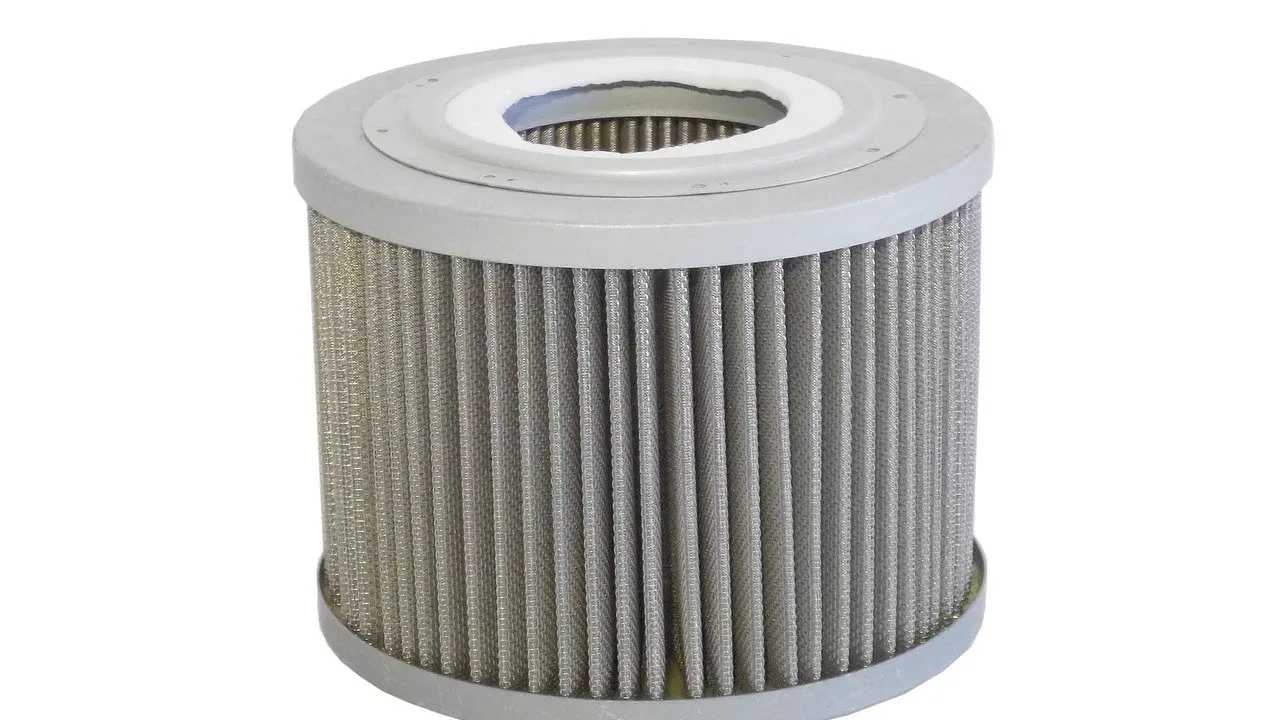
A cartridge collector suits fine, dry particulate that is mostly uniform in size, according to ACT Dust Collectors. AM Industrial Machinery names it the preferred choice for welding, laser, plasma and other fume and smoke applications. Where dust is fibrous, heavy or abrasive, the pleats become a weakness, so a cartridge is the wrong default for wood, grain or abrasive material.
Cyclone separator
The cyclone is the first family in Americorp’s list and the one without a filter element to rate, so the efficiency and particle-size figures above cannot be transferred to it. Ask the supplier for fractional efficiency on the actual dust and judge it against the filter types on the same particle size distribution. A cyclone is worth costing when the dust load is heavy or the dust is coarse enough that a filter alone would be loaded quickly, but it should be confirmed by the supplier’s data for that dust.
Matching collector type to dust properties
The dust properties decide the shortlist more reliably than the brand or the budget. The table converts the manufacturer guidance into a screening grid for the two filter families. Overlap exists, so a mismatch is a reason to ask questions, not an automatic disqualification.
| Dust or condition | Better fit | Planning use |
|---|---|---|
| Fine, dry, uniform particulate | Cartridge | Pleated media suits this dust, so confirm moisture stays low |
| Abrasive dust | Baghouse | Avoid cartridges that would wear through quickly |
| High volume of fibrous dust such as wood or grain | Baghouse | Open bag surfaces avoid clogging between pleats |
| Welding, laser, plasma fume and smoke | Cartridge | Specify for fume duty with the media supplier |
| Furnace or dryer exhaust with heat, sparks or acid gas | Baghouse | Choose the fabric to match the airstream |
The pairings come from ACT Dust Collectors and AM Industrial Machinery.
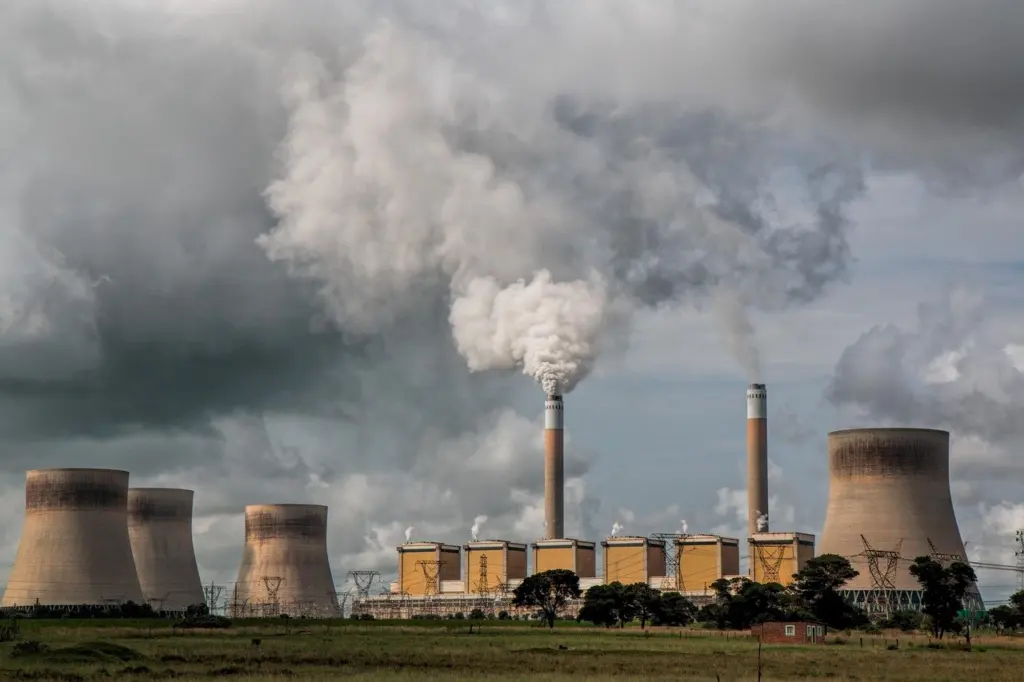
Fine, sticky and combustible dust each need a separate decision. Fine dust points to cartridge filtration because the manufacturer comparison rates cartridges superior for fine particles and baghouses better for larger particles. Sticky dust is a named selection factor in Americorp’s guide, so test a sample with the supplier before committing to any media. Combustible dust adds an explosion-protection requirement on top of the collector type, covered below.

Wet versus dry collectors
Baghouses and cartridge collectors are the dry filter options; wet collectors are the fifth family in Americorp’s list. The decision between wet and dry rests on the same inputs as every other choice: dust type, temperature and humidity, and explosion risk. A wet unit is worth costing when the dust is sticky or combustible and a dry filter looks awkward on paper. Take the dust sample and the inlet conditions to the supplier and ask each side to justify its recommendation.
Dry baghouses should be tested first where the airstream is hot or aggressive, because the media range covers heat, sparks and acidic gases. Cartridges are the stronger dry choice for fume and smoke. Humidity feeds into both choices, since it influences filter media selection.
Unitary versus central collection
A unitary collector serves one machine or work cell; a central system draws dust from several stations through a duct trunk to one large collector. Available space is the practical test. Americorp’s guide states that space determines whether compact or modular systems are needed, and ACT places capture method alongside particle size, loading rate and temperature as a selection input.
When a unitary collector fits
Small units beside the machine suit isolated stations, awkward layouts and processes whose dust differs from the rest of the plant. The footprint figures favour cartridge designs here: Porvoo reports that baghouse systems typically need 30-50% more floor space for equivalent capacity, while cartridges can offer up to three times conventional bag filter area in the same space.
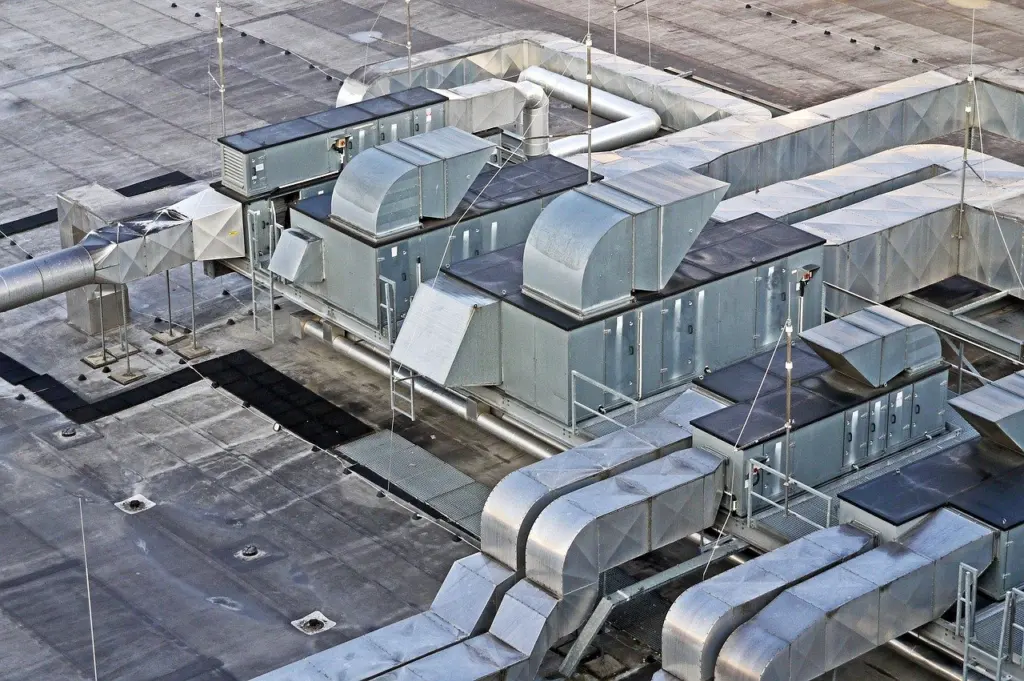
When a central system fits
A central system suits a plant with many stations running the same kind of dust, where one collector is easier to maintain than many. It brings a long duct run, so the collector needs a site with room for it. A baghouse needs headroom, often 12+ feet above the tube sheet for bag removal, which is easier to provide outdoors or in a purpose-built bay than in a low workshop. Mixing different dusts in one trunk is a risk to check, particularly where any of them is combustible.

Explosion venting and combustible dust
Explosion risk is a separate decision from collector type. Americorp’s guide says that explosion risk may require special protections, and explosion venting is one such feature to raise with the supplier when the dust is combustible. Settle protection before finalising the layout, because it affects where the collector can sit and how it is ducted. Baghouses and cartridge units are not exempt: the dust, not the filter type, creates the hazard.
Which type for which plant
- Cartridge collector: fine, dry, uniform dust, fume and smoke, and plants short of floor space or headroom.
- Baghouse: abrasive or fibrous dust, heavy continuous loads, and hot or aggressive exhaust where special media can be specified.
- Cyclone separator: worth costing for heavy loads of coarse dust; request fractional efficiency data for the actual dust.
- Wet collector: a candidate when sticky or combustible dust makes dry filtration hard to justify; compare it against dry options on the same inlet conditions.
- Unitary layout: isolated machines and tight spaces.
- Central layout: many stations with similar dust and room for the collector and trunk.

Frequently asked questions
| Question | Answer |
|---|---|
| Can a baghouse and a cartridge collector serve the same application? | Yes in many cases. AM Industrial Machinery notes that there is overlap between applications, so the dust, temperature and space decide the outcome. |
| What filter media do cartridge collectors use? | Porvoo lists cellulose-polyester blend, spunbond and nanofiber-coated media. Baghouses offer a wider range of fabrics for heat, sparks and acidic gases. |
| Does airflow direction matter in a cartridge collector? | Yes. ACT explains that in a downward-flow design gravity assists dust fallout, while in an updraft design dust can re-enter the airstream and load filters faster. |
| Which type uses less compressed air for cleaning? | Porvoo lists reduced compressed air consumption during cleaning as an advantage of cartridge collectors over baghouses. |