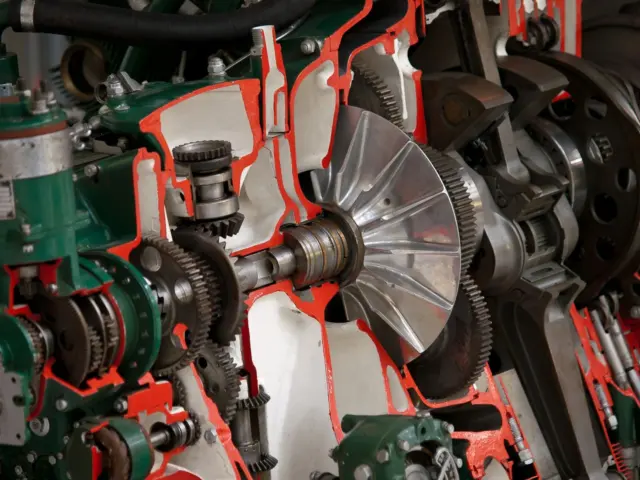
This dust collector maintenance checklist groups tasks by frequency: read the differential-pressure gauge daily or weekly, empty the hopper regularly, inspect seals and fans monthly, and check pulse valves yearly. Always follow your manual and lockout rules.
Treat the schedule below as a floor-ready starting point for the wider set of industrial dust collection systems on site. The collector manufacturer’s manual, your operating hours and the material you collect decide the final intervals, so mark up the list once you have confirmed them.
Frequency schedule at a glance
Print this table and keep it near the collector. The last column tells the person doing the check when to stop and call maintenance rather than carry on.
| Frequency | Check | What to look for | Escalate when |
|---|---|---|---|
| Daily or weekly | Differential-pressure gauge | Reading recorded and consistent with previous entries | Steady climb that pulse cleaning no longer reduces, or a sudden drop |
| Daily | Exhaust and dust bin or hopper level | No visible dust at the exhaust; bin emptied before dust reaches the filters | Dust at the exhaust, or hopper filling faster than it is unloaded |
| Weekly | Compressed air supply and filter drain | Pressure within the manufacturer’s limits; air free of oil and water | Pressure outside limits, or liquid carrying through to the valves |
| Weekly | Rotary airlock or screw conveyor | Turning freely and keeping the hopper clear | Stalling, unusual noise or dust building up above it |
| Monthly (suggested) | Housing, ductwork, door gaskets, fan belts | No leaks, corrosion, damage or worn belts | Any gap, crack or damaged seal |
| Yearly | Diaphragm pulse valves and drive motor | Valves firing cleanly; motor oiled to its duty schedule | Valves failing to fire or sticking |
The gauge, exhaust, hopper, airlock, air-supply and pulse-valve rows follow guidance from Donaldson and Certified Air Services; the monthly interval is a suggested starting point to confirm against your own manual.
Safe access and lockout before any task
Split the checklist into look-only checks and hands-on checks, because the safety rules differ. Gauge readings and exhaust observations should be made from designated safe locations without opening access doors, removing guards or reaching into a hopper or duct, as Certified Air Services advises.
Anything hands-on needs the site’s hazardous-energy isolation and lockout/tagout procedure, including release of stored energy where it applies. GoFMX’s service checklist puts de-energising the equipment under lockout/tag-out first on the list, and Qingda repeats it for maintenance and repairs. Confirm any confined-space or entry rules with your site safety officer and the local occupational safety regulator before anyone goes inside the housing.
Daily and weekly checks
These are quick observations that catch most developing faults before they become shutdowns. Keep them to a few minutes per collector so they actually get done.
Gauge and exhaust
Record the installed differential-pressure gauge reading at each daily or weekly round. Compare it with the last few entries rather than judging a single number. If you need to understand what the readings mean, see our guide to dust collector differential pressure. While at the gauge, look at the exhaust from the safe position: visible dust there is a reason to escalate the same shift.

Compressed air supply
Compressed air pressure must stay within the constructor’s recommended limits, and the air should be free of oil and water, according to Donaldson. On the weekly round, read the regulator, look at the filter bowl and check that the drain is clear, because contaminated air is the likeliest problem on this line.

Hopper and rotary airlock
Evacuation equipment such as rotary airlocks and screw conveyors should be sized to unload the hopper, so dust does not accumulate, per Donaldson. Where the collector uses a dust bin, check and empty it regularly so hopper dust never reaches the filter elements. Industrial Maid makes the same point about dust drawers: regular emptying prevents blockages and protects airflow.
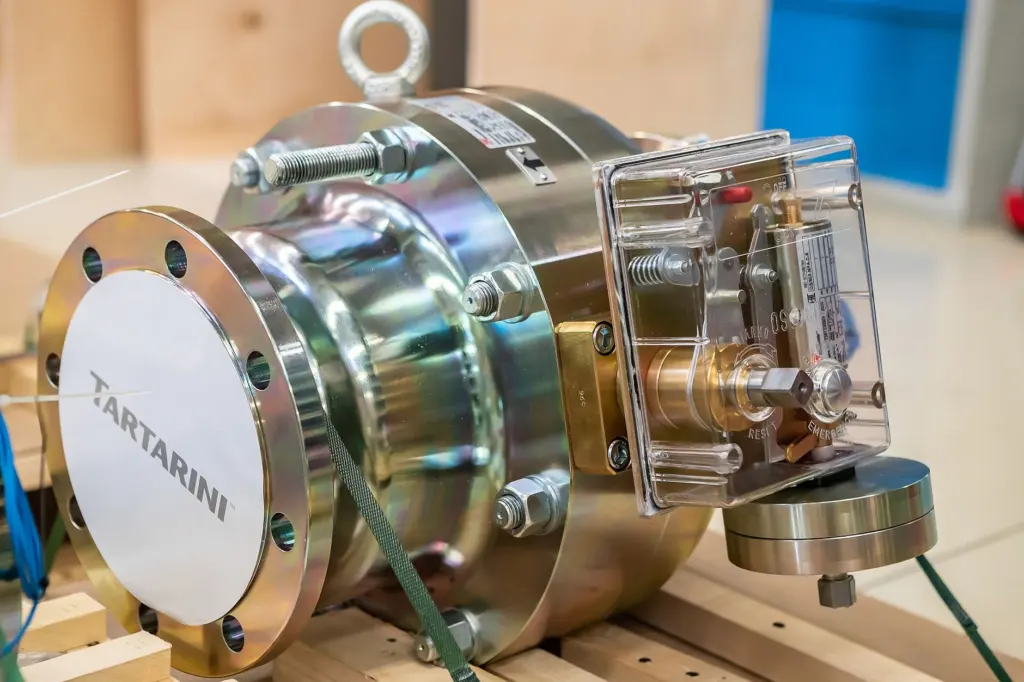
Watch the airlock for stalling, new noise or dust building above it, and escalate before the hopper backs up. Set the emptying routine from how quickly your process fills the bin, not from the calendar alone.
Monthly checks
Monthly work moves from observation to close inspection, so it falls under the lockout rules above.
- Housing and ductwork: check for leaks, corrosion or damage and keep connections tight, as Qingda advises.
- Door gaskets: look along every access door and hatch seal for gaps, flattening or damage. A bad seal is one cause of a sudden pressure drop.
- Fan belts: check belts for wear and replace them when necessary. GoFMX says multiple belt drives should be replaced with matched sets.
- Fan bearings: add grease slowly until slight bleeding shows at the seals, and do not over-lubricate, per the same checklist.
- Filters: inspect regularly for damage, clogging or wear, and replace damaged or clogged filters promptly (Qingda).
If dust is escaping at the pickup rather than from the collector, the cause is capture, not upkeep. Review the dust collection hood design before spending more time on the collector itself.

Yearly checks
Donaldson says diaphragm pulse valves must be checked yearly, and the check is especially worthwhile when new cartridges are installed. Wear ear protection while testing, because noise levels rise.
Motor re-oiling depends on duty, according to Industrial Maid: continuous-duty units annually, intermittent-duty units biennially and occasional-duty units every five years. Apply this only to motors with oil points, and defer to the motor nameplate or manual if they differ.
Filter replacement and service life
Change filters on differential pressure, not on a calendar date or on how dirty they look. Donaldson advises changing them once pressure goes above the specified maximum, and cites 120-150 daPa (4.8-6.0 in. wg) as an example range. Your collector’s own maximum, from its manual, is the number to put on the checklist.
Calendar life varies widely. Industrial Maid says filters may need replacing monthly, quarterly, semi-annually or annually depending on the unit and its use. Certified Air Services adds that the interval depends on operating hours, the material, equipment instructions and site conditions. Use the trend in your gauge log to set a realistic planning interval for each collector.
Inspecting for leaks and damaged filters
Use the gauge trend and the exhaust together to decide which fault you have, then confirm it with a locked-out inspection.
- Blinded filters: a steady climb in differential pressure that pulse cleaning no longer brings down usually means the filters are blinded (Certified Air Services). Check the pulse valves and the compressed air before ordering filters.
- Torn filter or bad seal: a sudden drop can mean a torn filter or a bad seal, often with dust at the exhaust. Lock out, then inspect the filter seats and door gaskets.
- Housing leaks: walk the housing and ductwork for corrosion, cracks and loose connections once the unit is isolated.
Do not remove a filter simply because it looks dirty. Judge condition by pressure drop and by damage found on inspection.
Records to keep
A short log makes the checklist useful for trending and for audits. Certified Air Services notes that permit conditions often call for a working pressure gauge and maintenance records, along with limits on visible emissions.
- Gauge readings: date, time, reading and initials at each daily or weekly round.
- Filter changes: date, the full set replaced and the pressure reading before and after.
- Component checks: pulse valves, airlock, fan belts and bearing greasing, with what was found and done.
- Escalations: the fault, who was told, and the date it was closed out.
Frequently asked questions
Should I replace filters that look dirty?
No. Donaldson advises against touching filters just because they look dirty, since the dust cake aids filtration. Replace on pressure drop or damage.
Can I replace just one damaged cartridge?
Donaldson states that all cartridges in a collector must be changed at the same time, so plan a full set replacement.
Is hearing protection needed when testing pulse valves?
Yes. Donaldson advises appropriate ear protection during valve testing because noise levels can go up.
Does my permit require maintenance records?
Often. Permit conditions commonly call for a working pressure gauge and maintenance records, so check your permit wording and keep the log current.