8053291655 carries an 805 area code, which belongs to California’s Central Coast, but no owner is confirmed here. This deeper look at the machinery behind calls, from automated dialling to caller-ID labels, explains why a missed call or a silent pause from a number like this proves little in either direction.
| Number as written | 8053291655, also (805) 329-1655 and +1 805 329 1655 |
| Area code | 805, the Central Coast including Santa Barbara, San Luis Obispo and Ventura areas |
| Focus of this page | How automated dialling and caller-ID work |
| Owner | Not named or confirmed |
| What helps most | Your own call log and an independent check of any claim |
The coastline behind the 805 in 8053291655
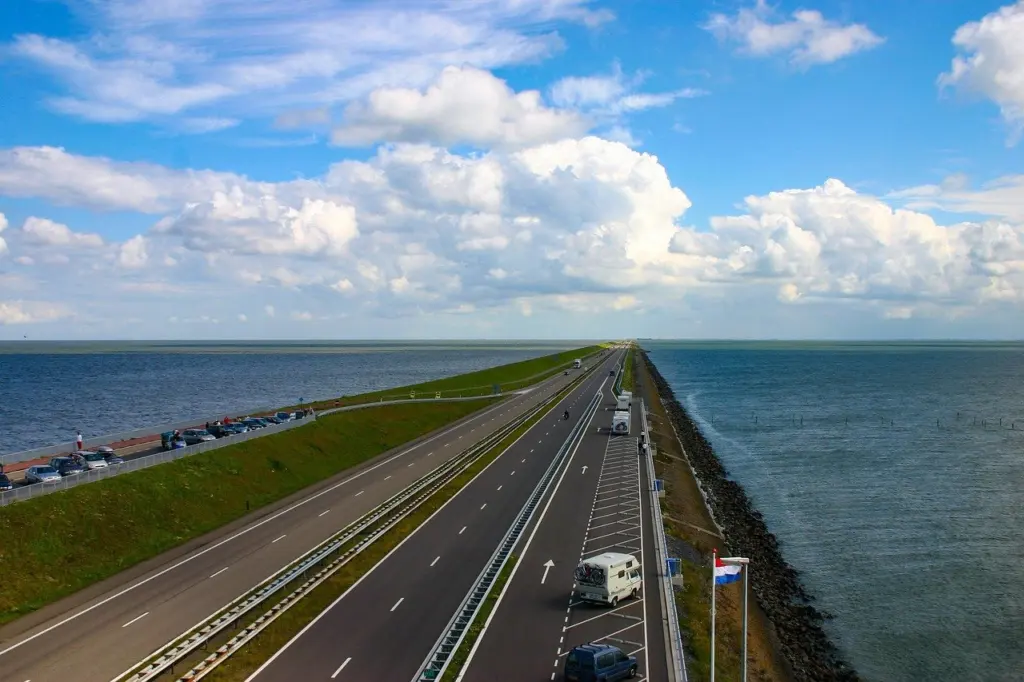
The 805 code covers a long stretch of the California coast and the hills inland, reaching Ventura County in the south through Santa Barbara County to San Luis Obispo County in the north. It is a mix of coastal towns, farmland and commuter suburbs, which is why the code alone paints such a loose picture.
For a number such as 805-329-1655 the code is the only geographic fact in the digits, and it describes where the line was first issued. The remainder, 329 and 1655, are an exchange and a line number that can no longer be read as a place.
How a dialler can put (805) 329-1655 on your screen
Many unexpected calls come from software rather than a person at a desk. A dialling system loads a list of numbers, places many calls at once and passes a call to a human only when someone answers. The system can show whichever caller-ID number its operator has configured, and a business may rotate several numbers to spread the load.
This is not unusual or sinister in itself. Appointment reminders, delivery alerts, surveys and bank notices all use similar tools. But it explains why you sometimes hear nothing for a second or two after you say hello, why a call may drop when you answer, and why a number may ring you once and never again.
Why answering 8053291655 can lead to more calls
When you pick up, the system learns something: that your line is live and that someone responded. Numbers marked as active are valuable to those who sell contact lists, which can lead to more calls from other numbers.
That does not mean you should never answer an unknown call. It means that if you do and the call is silent, robotic or pushy, the quiet response is to hang up without pressing keys. Options such as “press 9 to be removed” often have the opposite effect, because pressing a key marks the line as live.
Caller-ID labels: what the warning on +1 805 329 1655 means
Phones and carriers increasingly attach labels to incoming calls, such as “Spam Likely” or “Scam Likely”, or a business name. These come from automated scoring based on call patterns, reports from users and carrier data. They are signals, not verdicts.
A label can be wrong in both directions. A real business with a high-volume calling pattern may be flagged, and a harmful caller may show no label at all. If your phone shows a name for the number, treat that as unverified as well, since information supplied by a caller can sometimes be set to display a particular name.
The useful reading is this: a spam label is a reason to be more cautious, and the lack of one is not a reason to be relaxed.
What the call itself reveals about 8053291655
Rather than the number, listen to the way the contact behaves.
- A generic greeting and no name. Suggests a message sent to many people.
- A pause before anyone speaks. Suggests a dialler connecting you to an agent.
- Urgency. Pressure to act within minutes is a classic sign of pressure selling or fraud.
- Unusual payment requests. Gift cards, wire transfers and crypto machines are red flags.
- Requests for remote access or a one-time code. Real organisations do not need either by phone.
- A vague “verify your account” demand. Ask which account, and watch the answer.
Voicemails deserve a word of their own. Automated systems can leave a prerecorded message when they detect an answering machine. That is why some voicemails start mid-sentence, repeat a stock line or use a flat reading voice. A message like that may be a harmless reminder meant for a previous holder of your number, or something less friendly. The recording alone cannot tell you which.
What you can do is read it for specifics. Does it name a real task, date or organisation, or only a vague reason to call back? Vague messages that urge a quick response are a reason to hold off. Save the audio, write down any callback number, and search that number as well, since it may differ from the one that rang you.
A calm routine for any contact from 805-329-1655
Whatever machinery sits behind a call, your own steps stay the same. Note the date, time and wording from your call log, voicemail or text. Search the number in quotation marks in each written form: 8053291655, 805-329-1655, (805) 329-1655 and +1 805 329 1655. Look for a page where an organisation lists it as its contact line, and treat reader comments as anecdotes.
Then check the claim. If the contact names a bank, clinic, courier or agency you actually deal with, look up that organisation’s number on its website or a statement and ask whether anyone tried to reach you. Never use a number or link supplied in the message.
Blocking and filtering 8053291655
On an iPhone open Recents, tap the circled i beside the number and choose Block this Caller. Switching on Silence Unknown Callers sends unfamiliar numbers to voicemail. On Android, press and hold the call in your history and choose Block or Report spam, and check the caller ID and spam protection setting. Carriers offer spam filtering as well, so look at your carrier’s support page for current steps.
Because dialling systems rotate numbers, blocking one will not stop a campaign. Combine it with silencing and carrier filtering.
Reporting and recovery after 8053291655
In the United States, the Federal Trade Commission takes reports about unwanted and deceptive calls, and in Canada the Canadian Anti-Fraud Centre does. Include the date, time and wording.
If you shared a password, change it from a clean device. If you gave card or bank details, call the issuer on an official number and ask them to watch the account. If you paid by gift card or transfer, contact the provider or bank at once, since speed can matter. If someone used remote access, disconnect the device from the internet and have it checked. No outcome can be promised, but early action gives the most options.